Louisville NE 68037 & Plattsmouth NE 68048

Understanding Spinal Stenosis and the Role of Physical Therapy

May 14, 2024

Spinal stenosis is a common condition that affects many people, especially as they age. Characterized by the narrowing of spaces within your spine, spinal stenosis can put pressure on the nerves that travel through the spine, leading to pain, numbness, muscle weakness, and other symptoms. One of the most effective non-surgical treatments for managing spinal stenosis is physical therapy.

Symptoms of spinal stenosis can vary depending on the location and severity of the narrowing. Common symptoms include:

– Pain: Chronic pain in the back or neck, which may radiate to the arms or legs.

– Numbness or Tingling: In the hands, arms, feet, or legs.

– Weakness: In the extremities, which can affect balance and coordination.

– Difficulty Walking: Pain or cramping in the legs when standing or walking for long periods.

Physical therapy plays a crucial role in managing spinal stenosis by improving mobility, strength, and overall function while alleviating pain. Here’s how physical therapy can help:

Pain Management

Physical therapists use various techniques to help reduce pain, such as:

– Manual Therapy: Hands-on techniques to mobilize the spine and soft tissues.

– Modalities: Heat, cold, ultrasound, or electrical stimulation to relieve pain and inflammation.


Exercise and Stretching

Customized exercise programs can improve flexibility, strength, and endurance. These programs may include:

– Strengthening Exercises: Targeting core muscles to support the spine.

– Stretching: Improving flexibility in the spine and surrounding muscles.

– Aerobic Conditioning: Low-impact activities like walking or swimming to improve overall fitness and stamina.


Posture and Body Mechanics

Proper posture and body mechanics can reduce strain on the spine. Physical therapists educate patients on:

– Ergonomic Adjustments: Modifying workspaces or daily routines to minimize strain.

– Postural Training: Teaching how to maintain good posture during daily activities.


Education and Lifestyle Modifications

Educating patients about their condition and how to manage it is vital. Physical therapists provide guidance on:

– Activity Modification: Identifying activities that may worsen symptoms and finding ways to adapt them.

– Lifestyle Changes: Encouraging weight management, smoking cessation, and other healthy habits.


Improving Functional Mobility

Therapists work on enhancing functional mobility, which can help patients perform daily activities more efficiently. This includes:

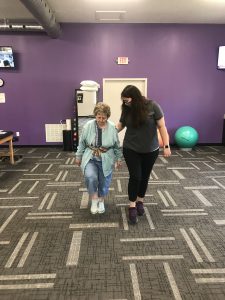
– Balance Training: To prevent falls and improve stability.

– Gait Training: To correct walking patterns and reduce discomfort.


Physical therapy is a cornerstone in the management of spinal stenosis, offering a non-invasive way to alleviate symptoms and improve quality of life. By focusing on pain relief, strengthening, flexibility, and education, physical therapists empower patients to take control of their condition and live more comfortably. If you or someone you know is suffering from spinal stenosis, consider consulting a physical therapist to explore the benefits of a tailored treatment plan.

Understanding Cervical Arthritis and How Physical Therapy Can Help

May 8, 2024

Cervical arthritis, also known as cervical spondylosis, is a common condition that affects the neck region of the spine. It is characterized by the degeneration of the intervertebral discs and the development of bone spurs or osteophytes. This condition is typically age-related, but other factors such as injury, genetics, and lifestyle can also contribute to its onset. In this blog, we’ll explore cervical arthritis in detail and discuss how physical therapy can be a valuable tool in managing its symptoms.

Cervical arthritis occurs due to the natural wear and tear on the cervical spine over time. The cervical spine comprises seven vertebrae, connected by intervertebral discs and supported by ligaments and muscles. As people age, these discs can become thinner and lose flexibility, leading to decreased cushioning between the vertebrae. This can result in bone-on-bone contact, causing pain and discomfort. Bone spurs or osteophytes can form as the body tries to compensate for the loss of cushioning. These spurs can press on nerves, leading to pain, tingling, and numbness in the neck, shoulders, arms, and hands.

Cervical arthritis can manifest in various ways, depending on which nerves are affected. Common symptoms include:

– Neck pain and stiffness

– Reduced range of motion in the neck

– Radiating pain in the shoulders, arms, or hands

– Numbness or tingling in the extremities

– Muscle weakness

– Headaches, particularly at the base of the skull

If you experience any of these symptoms, it’s important to consult a healthcare professional for a proper diagnosis and treatment plan.

Physical therapy is a key component of managing cervical arthritis. It can help reduce pain, improve mobility, and strengthen the muscles that support the cervical spine. A physical therapist will design a customized treatment plan based on your specific needs and goals. Here are some common elements of physical therapy for cervical arthritis:

Range of Motion Exercises

These exercises aim to improve flexibility and reduce stiffness in the neck. They may include gentle stretching and controlled movements to increase the range of motion without causing further damage.

Strengthening Exercises

Strengthening the muscles that support the neck and shoulders can help stabilize the cervical spine and reduce strain. These exercises often target the deep neck flexors, upper back, and shoulder muscles.

Postural Training

Proper posture can alleviate stress on the cervical spine. Physical therapists will work with you to correct postural imbalances and teach you how to maintain good posture throughout the day, whether you’re sitting, standing, or lying down.

Manual Therapy

Manual therapy involves hands-on techniques such as massage, joint mobilization, and myofascial release. These techniques can help reduce pain, improve circulation, and relax tense muscles.

Pain Management

Physical therapists can also use modalities like heat, ice, ultrasound, or electrical stimulation to manage pain and reduce inflammation.

Education and Lifestyle Modification

Education is a critical aspect of physical therapy. Your therapist will teach you about cervical arthritis, including how to manage symptoms at home and what lifestyle changes can support long-term neck health. This might include ergonomics, stress reduction, and activity modifications.


Cervical arthritis can be a painful and limiting condition, but physical therapy offers a non-invasive and effective way to manage its symptoms. By improving flexibility, strength, and posture, physical therapy can help you maintain a more active and pain-free lifestyle. If you’re experiencing symptoms of cervical arthritis, consider consulting a physical therapist to explore the benefits of a tailored treatment plan. With the right approach, you can take control of your condition and enjoy a higher quality of life.

A Guide to Physical Therapy After Abdominal Surgery

April 30, 2024

Undergoing abdominal surgery can be a daunting experience. Whether it’s for an emergency procedure, like appendicitis, or an elective surgery, such as a hernia repair, the aftermath can be challenging. Recovery from abdominal surgery often requires a well-planned physical therapy program to regain strength, mobility, and function. In this guide, we’ll explore the importance of physical therapy after abdominal surgery and what you can expect during the rehabilitation process.

Post Covid Treatment

Why Physical Therapy is Important After Abdominal Surgery

Abdominal surgery can significantly impact your core muscles, posture, and overall mobility. The incisions, tissue healing, and muscle recovery all contribute to the need for a tailored physical therapy program. Here are some key reasons why physical therapy is crucial after abdominal surgery:

Restoration of Core Strength

Your abdominal muscles play a central role in stability and posture. Surgery can weaken these muscles, leading to discomfort and reduced strength. Physical therapy helps rebuild core strength, providing a solid foundation for daily activities and exercise.

Improved Mobility

After surgery, you may experience stiffness and restricted movement. Physical therapy addresses these limitations, helping you regain flexibility and mobility. This is especially important for simple activities like bending, reaching, and walking.

Pain Management

Physical therapy techniques can help reduce postoperative pain and discomfort. Through controlled movements, massage, and other modalities, therapists can address pain and promote healing.

Prevention of Complications

Proper physical therapy can prevent complications like muscle imbalances, scar tissue adhesions, and posture-related issues. Early intervention reduces the risk of long-term problems.


Breathing and Posture Training

Deep breathing exercises are crucial for promoting healing and preventing respiratory complications after surgery. Physical therapy sessions may include guided breathing exercises to improve lung capacity and reduce the risk of lung-related issues. Additionally, posture training helps you maintain a healthy alignment as you recover.

Gradual Increase in Activity

As your strength and mobility improve, your therapist will gradually increase the intensity and variety of exercises. This phase might include light resistance training, gentle stretching, and functional activities like getting in and out of a chair or bed.

Education and Home Exercises

Your physical therapist will provide education on proper body mechanics and techniques to avoid strain. They will also give you a set of home exercises to continue your recovery between sessions. Following these guidelines is crucial for a successful recovery.


Physical therapy is a vital component of recovery after abdominal surgery. It helps you regain strength, improve mobility, and manage pain effectively. By following a structured rehabilitation program and working closely with your physical therapist, you can speed up your recovery and reduce the risk of complications. Remember, everyone’s recovery journey is unique, so be patient and stay consistent with your physical therapy program. If you have any concerns or questions, always consult with your healthcare provider or physical therapist for guidance.

Relief Through Movement: Physical Therapy for Chronic Pain

April 23, 2024

Chronic pain can be a debilitating condition, limiting your mobility and impacting your daily life. The CDC estimates that around 50 million Americans experience chronic pain, and 17 million have substantial reductions in activity because of pain. Beyond limiting activity or your ability to work, chronic pain has been linked to depression, Alzheimer’s disease, and substance abuse.

Chronic pain is complex. There’s no single intervention to treat it, but physical therapy should be part of the mix. Here’s why:

How PT Approaches Pain:

Physical therapy often provides relief that’s just as effective as medication but without the potential side effects. Here’s a breakdown of how PT tackles pain and its effectiveness:

Identify the Root Cause: PT goes a step further than medication that masks pain. Therapists assess your posture, muscle strength, flexibility, and joint mechanics to pinpoint the source of your discomfort.

Address the Underlying Issues:  Based on the evaluation, PT focuses on strengthening weak muscles that support your joints, improving flexibility for a better range of motion, and correcting any imbalances or postural problems that might contribute to pain.

Use A Multi-Faceted Approach: A PT treatment plan will be customized based on the evaluation. In addition to therapeutic exercise, a PT might use various techniques. Examples include:

  • Manual Therapy: PTs use massage, joint mobilization, and trigger point therapy to address muscle tension, improve circulation, and alleviate pain.
  • Modalities: Techniques like ultrasound, heat therapy, or electrical stimulation can reduce inflammation, promote healing, and manage pain.
  • Aquatic Therapy: A warm, therapeutic pool supports your body and joints while offering gentle resistance. This can often make it easier to start moving again after being in pain for an extended time.


Educate and Empower Patients: PTs equip you with the knowledge and tools to manage your pain independently. This might include learning a new exercise routine, how to modify activities, or how to modify your daily schedule when you’re feeling better (or worse) than normal.

It’s also becoming increasingly likely that you’ll learn how pain works. Research shows that combining pain education with physical therapy is an effective treatment.


If you’re struggling with chronic pain, call your physical therapist. They might have the key that will unlock a pain-free life.


References:

  1. Chronic Pain Among Adults — United States, 2019–2021 | MMWR (cdc.gov)
  2. The impact of combining pain education strategies with physical therapy interventions for patients with chronic pain: A systematic review and meta-analysis of randomized controlled trials, Physiotherapy Theory and Practice, 37:4, 461-472 DOI: 1080/09593985.2019.1633714
  3. Preferred Communication Strategies Used by Physical Therapists in Chronic Pain Rehabilitation: A Qualitative Systematic Review and Meta-Synthesis, Physical Therapy, Volume 102, Issue 9, September 2022, pzac081 Preferred Communication Strategies Used by Physical Therapists in Chronic Pain Rehabilitation: A Qualitative Systematic Review and Meta-Synthesis – PubMed (nih.gov)
  4. The Influence of Cognitive Behavioral Therapy on Pain, Quality of Life, and Depression in Patients Receiving Physical Therapy for Chronic Low Back Pain: A Systematic Review https://onlinelibrary.wiley.com/doi/abs/10.1016/j.pmrj.2018.09.029


Navigating the Road to Recovery: Physical Therapy After Lumbar Fusion

April 16, 2024

Undergoing lumbar fusion surgery can be a significant step towards alleviating chronic back pain and improving mobility. However, the journey towards full recovery doesn’t end with the surgical procedure. Physical therapy plays a crucial role in helping patients regain strength, flexibility, and functionality post-surgery.

Lumbar fusion surgery is a procedure often recommended for individuals suffering from conditions like degenerative disc disease, spinal stenosis, or spondylolisthesis, where instability or pain in the lower back is prominent. During the surgery, two or more vertebrae in the lower back are fused together to stabilize the spine and reduce pain.

Post Covid Treatment

The Role of Physical Therapy

While lumbar fusion surgery addresses the structural issues in the spine, physical therapy is essential for restoring function and mobility. Physical therapists design personalized treatment plans tailored to each patient’s specific needs and stage of recovery. Here’s how physical therapy benefits patients post-lumbar fusion:

Pain Management

Immediately after surgery, patients may experience pain and discomfort. Physical therapists employ various techniques, such as manual therapy, ice or heat therapy, and gentle exercises, to manage pain effectively.

Restoring Mobility and Flexibility

After surgery, it’s common for patients to experience stiffness and limited mobility in the lower back. Physical therapy focuses on gentle stretching exercises and range of motion activities to improve flexibility and restore normal movement patterns gradually.

Strengthening Muscles

Muscle weakness is also a common issue following lumbar fusion surgery. Physical therapists prescribe targeted exercises to strengthen the muscles surrounding the lumbar spine, including the core muscles, which play a crucial role in providing stability and support.

Improving Posture and Body Mechanics

Poor posture and incorrect body mechanics can exacerbate back pain and lead to further complications. Physical therapists educate patients on proper posture techniques and body mechanics to prevent strain on the spine and promote long-term spine health.

Enhancing Functional Abilities

The ultimate goal of physical therapy after lumbar fusion is to help patients regain their ability to perform daily activities with ease. Therapists incorporate functional exercises and activities into the treatment plan to simulate real-life movements and improve overall function.


What to Expect During Physical Therapy Sessions

Physical therapy sessions typically begin within a few weeks after surgery, once the patient’s surgeon gives the green light. Initially, therapy may focus on gentle movements and activities to promote healing and reduce inflammation. As the patient progresses, the intensity and complexity of exercises gradually increase.

Sessions may include a combination of:

– Manual therapy techniques, such as massage and joint mobilization.

– Therapeutic exercises targeting specific muscle groups.

– Modalities like ultrasound or electrical stimulation for pain relief.

– Education on proper body mechanics and ergonomic principles.

– Home exercise programs to supplement in-clinic sessions.

Throughout the rehabilitation process, open communication between the patient, physical therapist, and surgeon is crucial. Patients should feel comfortable expressing any concerns or limitations they may encounter during therapy.


Recovering from lumbar fusion surgery is a journey that requires patience, dedication, and commitment to the rehabilitation process. While physical therapy is an essential component, it’s just one piece of the puzzle. Following a comprehensive post-operative plan, which may also include medication management, lifestyle modifications, and regular follow-up appointments, is key to achieving the best possible outcome.

Physical therapy plays a vital role in the recovery journey following lumbar fusion surgery. By addressing pain, restoring mobility, strengthening muscles, and improving functional abilities, physical therapists help patients regain their quality of life and return to their daily activities with confidence. With the right support and guidance, navigating the road to recovery after lumbar fusion can lead to a brighter, pain-free future.

A Guide to Warm-Ups: Preventing Soft Tissue Injuries in Track Season

April 9, 2024

As track athletes, we push our bodies to the limit, striving for that extra fraction of a second or that additional inch in our performance. However, with the intensity of training and competition comes the risk of soft tissue injuries. From strained muscles to tendonitis, these injuries can sideline us and hinder our progress. But fear not! The key to staying injury-free lies in one of the most overlooked aspects of training – the warm-up.

A proper warm-up is not just a formality; it’s a crucial component of injury prevention and performance enhancement. By gradually increasing blood flow to the muscles, raising body temperature, and improving joint mobility, a well-designed warm-up primes your body for the demands of track workouts and competitions.

Dynamic Stretching

Static stretching, where you hold a stretch for an extended period, has its place in flexibility training, but it’s not ideal as the sole method for warming up. Instead, opt for more dynamic stretching than static stretching, which involves controlled movements that mimic the actions you’ll perform during your workout or event. Dynamic stretches help improve range of motion, enhance blood flow, and activate the muscles you’ll be using.

Some effective dynamic stretches for track athletes include leg swings (forward and sideways), arm circles, walking lunges with a twist, and high knees. Perform each stretch for 10-15 repetitions or for about 30 seconds per side.

Foam Rolling

Foam rolling, also known as self-myofascial release, is an excellent way to release tension in tight muscles and improve tissue quality. Target areas prone to tightness or previous injuries, such as the calves, hamstrings, quadriceps, and IT bands. Spend 1-2 minutes rolling each area, focusing on any tender spots or knots.

Activation Exercises

Activation exercises are designed to wake up dormant muscles and prepare them for action. These exercises are particularly beneficial for addressing muscle imbalances and ensuring proper muscle recruitment during workouts and races. Include exercises like glute bridges, clamshells, bird dogs, and resistance band walks to activate key muscles like the glutes, hips, and core.

Sport-Specific Drills

Depending on your event, incorporate sport-specific drills into your warm-up routine to reinforce proper technique and movement patterns. Sprinters might include A-skips, B-skips, and butt kicks, while distance runners could focus on high knees, strides, and form drills. Jumpers and throwers can integrate bounding, plyometric drills, and technique-focused exercises into their warm-up.

Gradual Intensity Build-Up

Progressively increase the intensity of your warm-up to mimic the demands of your workout or event. Start with low-intensity movements to raise your heart rate and gradually ramp up the intensity as you move through your warm-up routine. By the end of your warm-up, you should be sweating slightly and feeling ready to tackle your training session or competition.

Mental Preparation

In addition to physical preparation, use your warm-up as an opportunity to mentally focus and visualize success. Clear your mind of distractions, visualize yourself executing perfect technique, and mentally rehearse your race strategy or event performance. By combining physical readiness with mental preparedness, you’ll be in the optimal state to perform at your best.


Remember, consistency is key when it comes to injury prevention. Make warm-ups an integral part of your training routine, regardless of whether it’s a light recovery day or a high-intensity workout. By taking the time to properly warm up before every session, you’ll not only reduce your risk of soft tissue injuries but also maximize your performance potential on the track.

Understanding Torticollis: How Physical Therapy Can Help

April 2, 2024

Torticollis is a condition characterized by the involuntary contraction or spasm of neck muscles, leading to the head tilting to one side and/or turning to one direction. While torticollis can occur due to various reasons, congenital muscular torticollis (CMT) is one of the most common forms observed in infants. In this blog, we delve into the role of physical therapy in managing torticollis, particularly focusing on its application in infants with CMT.

Congenital muscular torticollis occurs when the sternocleidomastoid muscle (SCM), a large muscle that runs from the mastoid bone behind the ear to the sternum and clavicle, becomes shortened or tightened on one side. This tightness results in the infant having difficulty turning their head in both directions, leading to a preference for one side.

Early identification and intervention are crucial in managing torticollis in infants. Failure to address torticollis promptly can lead to a range of complications, including plagiocephaly (flattening of the head), facial asymmetry, and delays in motor development.

Physical therapy plays a central role in the management of congenital muscular torticollis. A skilled physical therapist assesses the infant’s condition and develops a tailored treatment plan to address the specific needs of the child. The primary goals of physical therapy for torticollis in infants include:

Stretching Exercises

Gentle stretching exercises aim to lengthen the tight SCM muscle and improve range of motion in the neck. These exercises are typically performed multiple times a day and involve gentle manipulation of the infant’s head and neck.

Strengthening Exercises

Strengthening exercises focus on building strength in the neck muscles, particularly the weaker side affected by torticollis. These exercises may include gentle resistance training and positioning techniques to encourage the infant to use their neck muscles symmetrically.

Positioning and Handling Techniques

Physical therapists educate parents on proper positioning and handling techniques to encourage the infant to turn their head in both directions. This may involve positioning the infant during feeding, changing, and playtime to promote balanced muscle development.

Parent Education and Home Exercise Program

Empowering parents with the knowledge and skills to continue therapy at home is essential for the success of treatment. Physical therapists provide comprehensive education on exercises, positioning techniques, and strategies to promote optimal development.


Further benefits of Physical Therapy include:


– Improved range of motion allowing the infant to move their head more freely in all directions.

– Prevention of complications such as plagiocephaly and facial asymmetry.

– Promotion of symmetrical movement allowing the infant to achieve symmetrical movement patterns.

– Developmental support for optimal motor development and facilitates age-appropriate milestones.


Congenital muscular torticollis can significantly impact an infant’s development if left untreated. Physical therapy plays a vital role in the management of torticollis, offering interventions aimed at improving range of motion, strengthening muscles, and promoting symmetrical movement. Early identification and intervention, coupled with a comprehensive physical therapy program, can help infants with torticollis achieve optimal outcomes and reach their developmental milestones. If you suspect your child may have torticollis, consult a pediatrician or physical therapist for evaluation and guidance.

Telehealth Services

Spring into Action: Changes in Weather Change Your Activity Level

March 26, 2024

Spring is in the air, and that means more than just blooming flowers and chirping birds. It’s a natural nudge to shake off the winter blues and be more active. Research that looked at the seasonality of physical activity proves this is true. Across a wide variety of countries and populations, people are most active in the summer and less active in the winter

Since it’s likely that your physical activity levels are starting to trend up, we wanted to give you a few fun ideas to try, and some tips on how to navigate the change. 

Embrace the Great Outdoors:

  • Trade the treadmill for the trail: As the weather warms, escape the gym and head outside. Explore nature with hikes, bike rides, or even a walk or jog around the park. Soaking up the sunshine not only boosts your vitamin D levels but also enhances your mood and motivation.
  • Turn your park into your playground: Public parks offer tons of fitness opportunities. Utilize the equipment for bodyweight exercises, join a pick-up game of basketball, play a round of disc golf, or find an outdoor fitness class.

Incorporate Seasonal Activities:

  • Get active with seasonal sports: Participating in spring sports leagues like volleyball, softball, pickleball or tennis is a fun and social way to get moving. You’ll meet new people while engaging in friendly competition and getting some exercise.
  • Cultivate your green thumb: Gardening is a surprisingly active hobby. Digging, planting, and tending to your garden provides a full-body workout while connecting you with nature.

Navigating The Changes

  • Spring clean your activity plan: Just like your home, your exercise routine might need a spring cleaning. Evaluate your current program, identify areas for improvement, and think about what new exercises or activities you’d like to add. 
  • Don’t spring forward too fast: Spring is an exciting time with longer days, better weather and new opportunities. Don’t take on too much too fast. Injuries from overuse and overtraining start to get more common in our clinics when people ramp activity up too fast.
  • Celebrate your progress: Track your progress and acknowledge your achievements, no matter how small. This will keep you motivated and focused on your goals.

Spring is a season of growth. Let it be the catalyst for your own personal transformation. By embracing the outdoors, incorporating seasonal activities, and refreshing your routine, you can spring into action and experience the joy of a healthier and happier you.

If you’d like someone to evaluate your current plan or develop a new one for you, we’d be happy to help! And of course, we’re always here for aches and pains from too much too soon, or weekend warrior injuries from those spring sports.

References:

  1. Sex- and age-specific seasonal variations in physical activity among adults. Journal of Epidemiology & Community Health 2010;64:1010-1016. https://jech.bmj.com/content/64/11/1010.short
  2. Impact of Seasonality on Physical Activity: A Systematic Review. International Journal of Environmental Research and Public Health. 2022; 19(1):2. https://www.mdpi.com/1660-4601/19/1/2
  3. The Effect of Season and Weather on Physical Activity: Systemic Review https://www.sciencedirect.com/science/article/abs/pii/S0033350607001400
  4. Seasonal Rhythms and Exercise https://www.sportsmed.theclinics.com/article/S0278-5919(04)00120-6/fulltext
  5. Exercise Assessment and Prescription in Older Adults Webinar https://learningcenter.apta.org/products/exercise-assessment-and-prescription-in-older-adults-and-individuals-at-risk-for-functional-decline?_gl=1*2t7olk*_ga*MTEwNjIzMzg2MS4xNjgxODQyODcw*_ga_ZZJK74HXNR*MTY5NzIwMjg2OC4xMi4xLjE2OTcyMDI4ODEuNDcuMC4w&_ga=2.227565085.1495021570.1697197738-1106233861.1681842870
  6. Exercise Attitudes https://www.apta.org/article/2023/03/31/exercise-attitudes

How Can Physical Therapy help with Osgood Schlatter Issues?

March 19, 2024


Osgood-Schlatter disease is a condition that affects the growth plate at the top of the shinbone (tibia) where the tendon from the kneecap (patellar tendon) attaches. It commonly occurs in children and adolescents who are experiencing growth spurts, particularly those who participate in sports that involve running, jumping, or quick changes in direction.

Physical therapy can play a significant role in managing Osgood-Schlatter disease by addressing symptoms, reducing pain, and promoting proper biomechanics. Here are some ways physical therapy may be helpful:

Pain management

Physical therapists can use modalities such as ice, heat, ultrasound, or electrical stimulation to help alleviate pain and inflammation in the affected area.

Stretching exercises

Tightness in the quadriceps muscles and surrounding structures can exacerbate symptoms of Osgood-Schlatter disease. Physical therapists can prescribe stretching exercises to improve flexibility and reduce tension in these muscles.

Strengthening exercises

Weakness in the quadriceps, hamstrings, and hip muscles can contribute to biomechanical imbalances and increase stress on the knee joint. Physical therapists can design a strengthening program to target these muscle groups, helping to stabilize the knee and improve overall function.

Activity modification

Physical therapists can provide guidance on modifying activities and sports participation to reduce stress on the knee joint while allowing for continued participation in physical activity.

Biomechanical assessment and correction

A physical therapist can assess movement patterns and biomechanics during activities such as running or jumping. They can identify any issues with gait or movement mechanics that may be contributing to symptoms and provide corrective exercises or adjustments to improve alignment and reduce strain on the knee.

Patient Education

Physical therapists can educate patients and their families about Osgood-Schlatter disease, including its causes, symptoms, and prognosis. They can also provide guidance on home exercises, activity modification, and strategies for pain management.


It’s important for individuals with Osgood-Schlatter disease to seek guidance from a healthcare professional, such as a physical therapist or sports medicine physician, for an accurate diagnosis and comprehensive treatment plan. While Osgood-Schlatter disease often resolves on its own with time and appropriate management, physical therapy can help alleviate symptoms and improve function, allowing individuals to return to their normal activities more comfortably and safely.

Unlocking Your Physical Therapy Insurance Benefits

March 12, 2024

Physical therapy is often a vital component of recovering from injuries, managing chronic conditions, or simply improving one’s overall physical well-being. However, navigating the world of insurance benefits for physical therapy can be daunting and confusing. Understanding what your insurance covers, what it doesn’t, and how to maximize your benefits is crucial for ensuring you receive the care you need without breaking the bank.

Know Your Coverage

The first step in understanding your physical therapy insurance benefits is to know what your insurance plan covers. This information can typically be found in your insurance policy documents, or you can contact your insurance provider directly to inquire about your coverage. At Witte Physical Therapy we will look up your benefits for you and provide you with the information we receive from your insurance company. Some key questions to ask include:

– Does my plan cover physical therapy?

– How many sessions are covered per year?

– Do I need a referral from a primary care physician or specialist?

– Are there any limitations?

– What is my deductible, co-pay, and co-insurance for physical therapy services?

Understanding these details will give you a clearer picture of what to expect in terms of coverage and potential out-of-pocket costs.


Referrals and Prior Authorizations

Some insurance plans require a referral from a primary care physician or specialist before they will cover physical therapy services. Additionally, some plans may require prior authorization for physical therapy sessions. It’s essential to familiarize yourself with your insurance plan’s requirements regarding referrals and prior authorizations to avoid any unexpected denials of coverage. Witte Physical Therapy will help you understand if a referral or prior authorization is required and help you navigate the steps you need to take to get what is needed.


Understanding Deductibles, Co-Pays, and Co-Insurance

Deductibles, co-pays, and co-insurance are all important factors to consider when determining your out-of-pocket costs for physical therapy services. Here’s a brief overview of each:

Deductible

This is the amount you must pay out of pocket for covered services before your insurance plan starts to contribute. Once you’ve met your deductible, your insurance plan will typically cover a percentage of the cost of services, and you’ll be responsible for the remaining portion. You deductible does not change and is the same for any provider or medical service.

Co-Pay

A co-pay is a fixed amount that you pay for each physical therapy session, regardless of the total cost of the service. Co-pays can vary depending on your insurance plan and may apply to each session or be a one-time fee for a series of sessions.

Co-Insurance

Co-insurance is the percentage of the cost of services that you are responsible for paying after you’ve met your deductible. For example, if your insurance plan covers 80% of the cost of physical therapy services, you would be responsible for paying the remaining 20% as co-insurance.

Understanding how your deductible, co-pays, and co-insurance work together will help you estimate your out-of-pocket costs for physical therapy services and budget accordingly. At Witte Physical Therapy your therapist will review this information with you so that you understand what your benefits are and what your costs may be based on your specific insurance plan.


Maximizing Your Benefits

Once you understand your physical therapy insurance benefits, there are several strategies you can employ to maximize your coverage and minimize your out-of-pocket costs:

Stay In-Network

Choosing physical therapists who are in-network with your insurance plan can help you save money on out-of-pocket costs. In-network providers have negotiated rates with your insurance company, which are typically lower than out-of-network rates.

Appeal Denied Claims

If your insurance company denies coverage for physical therapy services, don’t be afraid to appeal their decision. Provide any necessary documentation, such as referrals or medical records, to support your claim and advocate for the coverage you’re entitled to.


Understanding your physical therapy insurance benefits is essential for ensuring that you receive the care you need without breaking the bank. By familiarizing yourself with your coverage, knowing your out-of-pocket costs, and employing strategies to maximize your benefits, you can navigate the complexities of insurance with confidence and focus on your journey to better health and wellness. If you have any questions or concerns about your physical therapy insurance benefits, don’t hesitate to reach out to your insurance provider or ask any of our therapists at Witte Physical Therapy.