
How Occupational Therapy Can Be Beneficial in Shoulder Rehabilitation
May 12, 2026
Shoulder injuries and pain can make even the simplest daily tasks difficult. Activities such as reaching into a cabinet, getting dressed, lifting groceries, driving, or even sleeping comfortably may become frustrating challenges. Whether caused by surgery, injury, arthritis, overuse, or a neurological condition, shoulder dysfunction can significantly impact quality of life. This is where occupational therapy plays an important role in the rehabilitation process.
Occupational therapy (OT) focuses on helping individuals regain the ability to perform meaningful daily activities safely and independently. In shoulder rehabilitation, occupational therapists work to restore function, reduce pain, improve mobility, and help patients return to their normal routines.
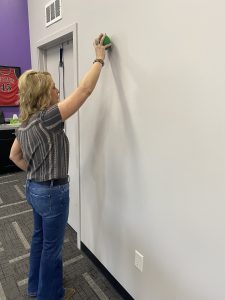
WITTE PHYSICAL THERAPY NOW OFFERS OCCUPATIONAL THERAPY SERVICES!!
Common Shoulder Conditions Treated in Occupational Therapy
Occupational therapists frequently help patients recover from a variety of shoulder conditions, including:
- Rotator cuff injuries or repairs
- Frozen shoulder (adhesive capsulitis)
- Shoulder impingement
- Labral tears
- Shoulder instability or dislocations
- Arthritis
- Fractures
- Tendinitis or bursitis
- Post-surgical rehabilitation
- Stroke-related shoulder dysfunction
Each condition presents unique challenges, and therapy programs are customized to meet the patient’s individual needs and goals.
How Occupational Therapy Helps Shoulder Rehabilitation
Pain Management
Pain is often one of the biggest barriers to movement and recovery. Occupational therapists use a variety of techniques to help reduce discomfort and improve tolerance for activity. These may include:
- Manual therapy techniques
- Therapeutic modalities such as heat or ice
- Gentle stretching
- Activity modification
- Education on proper body mechanics and posture
Reducing pain allows patients to move more comfortably and participate more effectively in rehabilitation exercises.
Restoring Range of Motion
Limited shoulder mobility can make everyday tasks extremely difficult. Occupational therapists guide patients through carefully designed stretching and mobility exercises to improve flexibility and restore normal movement patterns.
Therapy often progresses gradually to avoid reinjury while helping patients regain functional motion for activities like reaching overhead, fastening clothing, or washing hair.
Improving Strength and Stability
Weakness around the shoulder joint can contribute to pain, instability, and limited function. Occupational therapists develop strengthening programs that target the muscles surrounding the shoulder, shoulder blade, and upper extremity.
Improved strength and stability help patients:
- Lift and carry objects safely
- Return to work duties
- Participate in hobbies or sports
- Prevent future injuries
Exercises are progressed based on healing timelines and patient tolerance.
Focus on Functional Activities
One of the biggest differences between occupational therapy and other rehabilitation approaches is the emphasis on meaningful daily activities. Occupational therapists help patients practice the specific tasks they need to perform at home, work, or in the community.
Treatment may include:
- Dressing techniques
- Reaching and lifting activities
- Cooking and household tasks
- Computer or desk ergonomics
- Work-specific movements
- Adaptive strategies for independence
This functional approach helps bridge the gap between clinical exercises and real-life performance.
Education and Injury Prevention
Occupational therapists also educate patients on strategies to protect the shoulder during recovery and prevent future injuries. Patients learn:
- Proper posture and positioning
- Safe lifting techniques
- Ergonomic adjustments
- Joint protection strategies
- Home exercise programs
Education empowers patients to actively participate in their recovery and maintain long-term shoulder health.
Adaptive Equipment and Modifications
For patients with severe injuries or temporary restrictions, occupational therapists may recommend adaptive tools or environmental modifications to make daily activities easier and safer.
Examples may include:
- Long-handled dressing aids
- Reachers or grabbers
- Shower modifications
- Ergonomic workplace setups
These tools can improve independence while protecting the healing shoulder.
The Importance of Individualized Care
Every shoulder injury and every patient is different. Occupational therapists create personalized rehabilitation plans based on:
- Diagnosis
- Pain levels
- Range of motion
- Strength
- Lifestyle demands
- Work requirements
- Personal goals
Whether someone wants to return to athletics, perform job duties, or simply complete daily activities without pain, occupational therapy helps create a path toward recovery.
Shoulder pain and injuries can interfere with nearly every aspect of daily life, but occupational therapy provides valuable support throughout the rehabilitation process. By focusing on pain management, mobility, strength, functional activities, and independence, occupational therapists help patients regain confidence and improve overall quality of life.
Early intervention and consistent therapy can make a significant difference in recovery outcomes. If shoulder pain or dysfunction is limiting daily activities, occupational therapy may be an important step toward restoring movement, function, and independence.