
The Importance of Physical Therapy After Hip Scope Surgery
July 21, 2026
Hip pain can make even the simplest daily activities challenging. Whether you’re an athlete looking to return to your sport or someone who simply wants to walk, climb stairs, or sleep without pain, hip arthroscopy (commonly called a hip scope) can be an effective solution for conditions such as femoroacetabular impingement (FAI), labral tears, cartilage injuries, and loose bodies within the joint.
While surgery is an important step toward recovery, it is only part of the process. Physical therapy is one of the most important factors in achieving the best possible outcome after hip scope surgery. A structured rehabilitation program helps protect the surgical repair, restore movement, rebuild strength, and safely guide patients back to the activities they enjoy.
Why Physical Therapy Matters
After surgery, your hip will naturally become stiff and weak. Pain, swelling, and reduced activity can cause muscles around the hip and pelvis to lose strength and coordination. Without proper rehabilitation, these deficits can linger long after the surgical incisions have healed.
Physical therapy helps ensure that the improvements made during surgery translate into better function, less pain, and improved quality of life.
The Goals of Physical Therapy After Hip Arthroscopy
Protect the Surgical Repair
Immediately following surgery, the priority is allowing the repaired tissues to heal. Depending on the procedure performed, your surgeon may recommend weight-bearing restrictions, the use of crutches, or limitations on certain hip movements.
Your physical therapist will teach you how to move safely while protecting the healing structures and minimizing unnecessary stress on the hip.
Reduce Pain and Swelling
Pain and inflammation are expected after surgery, but they should be managed effectively to promote healing. Physical therapists use a variety of techniques including:
- Gentle range-of-motion exercises
- Manual therapy
- Ice and compression
- Positioning strategies
- Education on activity modification
Controlling swelling early often allows patients to regain movement more quickly and comfortably.
Restore Normal Range of Motion
Hip stiffness is common following surgery. Carefully prescribed mobility exercises help restore flexibility while respecting the healing process.
Improving hip mobility is essential for activities such as:
- Walking
- Sitting comfortably
- Getting into and out of a vehicle
- Putting on shoes and socks
- Climbing stairs
Your therapist progresses these exercises gradually to avoid overstressing the repaired tissues.
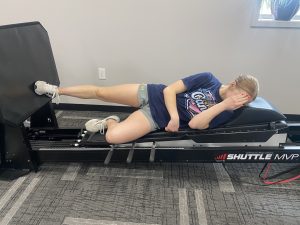
Rebuild Strength
Muscles surrounding the hip—including the gluteal muscles, hip flexors, core, and thigh muscles—often become weak before surgery due to pain and even weaker afterward because of temporary activity restrictions.
Strengthening these muscles improves:
- Joint stability
- Walking mechanics
- Balance
- Endurance
- Overall hip function
A progressive strengthening program helps restore normal movement while reducing stress on the hip joint.
Improve Balance and Coordination
Hip surgery affects more than strength—it also impacts balance and body awareness. Physical therapists incorporate exercises that improve coordination and stability, helping patients regain confidence during everyday activities.
These exercises become especially important before returning to sports or physically demanding work.
Return to Sports and Recreation
Many hip arthroscopies are performed on active individuals who want to return to running, golf, tennis, pickleball, soccer, basketball, or other recreational activities.
Physical therapists design sport-specific rehabilitation programs that gradually prepare the body for higher-level movements including:
- Running
- Jumping
- Cutting
- Pivoting
- Sprinting
- Agility drills
Returning too quickly without proper rehabilitation increases the risk of reinjury or persistent symptoms.
What to Expect During Recovery
Every patient’s recovery is unique, but rehabilitation generally progresses through several stages:
Weeks 1–4:
- Protect healing tissues
- Control pain and swelling
- Begin gentle mobility exercises
- Normalize walking with assistive devices as appropriate
Weeks 4–8:
- Improve range of motion
- Begin strengthening exercises
- Restore normal gait
- Increase daily activity tolerance
Months 2–4:
- Advance strengthening
- Improve balance and endurance
- Begin more functional activities
Months 4–6 (and beyond):
- Sport-specific training
- Higher-level strengthening
- Return-to-running progression
- Safe return to work and recreational activities
Recovery timelines vary depending on the specific procedures performed and individual healing rates, so it’s important to follow both your surgeon’s and therapist’s recommendations.
Why Individualized Rehabilitation Is Important
No two hip arthroscopy procedures are exactly alike. Some patients undergo labral repair, while others require bone reshaping for impingement or cartilage treatment. Age, activity level, fitness, and personal goals also influence rehabilitation.
A personalized physical therapy program ensures that treatment progresses at the appropriate pace while addressing each patient’s unique needs and goals.
Tips for a Successful Recovery
Patients can maximize their recovery by:
- Following their surgeon’s weight-bearing precautions.
- Attending all scheduled physical therapy appointments.
- Performing home exercises consistently.
- Avoiding activities that are not yet approved.
- Maintaining open communication with their healthcare team.
- Being patient—healing takes time, and gradual progress leads to the best long-term results.
The Bottom Line
Hip scope surgery can relieve pain and restore function, but surgery alone is not enough. Physical therapy is the bridge between a successful operation and a successful recovery.
Through guided rehabilitation, patients regain mobility, strength, balance, and confidence while reducing the risk of future problems. Whether your goal is returning to competitive sports, staying active with your family, or simply walking without pain, a comprehensive physical therapy program plays a vital role in helping you achieve lasting results.
If you’ve recently undergone hip arthroscopy or are preparing for surgery, partnering with an experienced physical therapist can help you recover safely, efficiently, and with confidence.