
How Physical Therapy Can Help Relieve Jaw Pain
September 15, 2026
Jaw pain can make everyday activities like eating, talking, yawning, and even smiling uncomfortable. For some people, jaw pain may come and go, while others experience ongoing discomfort, stiffness, clicking, headaches, or difficulty opening their mouth.
One often-overlooked treatment option for jaw pain is physical therapy. A physical therapist trained in treating the jaw and surrounding areas can help identify the factors contributing to your symptoms and develop a treatment plan to improve movement and decrease pain.
What Causes Jaw Pain?
Jaw pain can have several different causes. Common contributors include:
- Temporomandibular joint (TMJ) dysfunction
- Tight or overactive jaw muscles
- Clenching or grinding your teeth
- Poor posture
- Neck and upper-back stiffness
- Previous injury to the jaw or face
- Repetitive chewing or other activities that place stress on the jaw
- Muscle weakness or poor coordination of the jaw and neck
Because the jaw, neck, and upper back work together, problems in one area can sometimes contribute to symptoms in another.
How Can Physical Therapy Help?
A physical therapist will begin by evaluating your jaw, neck, posture, muscle tension, strength, and movement. This evaluation helps determine what may be contributing to your pain and which treatments are appropriate.
Hands-On Treatment
Physical therapists may use gentle hands-on techniques to address tight or painful muscles around the jaw, face, neck, and upper back. These techniques can help improve mobility and reduce muscle tension.
Exercises for the Jaw
Specific exercises can help improve the way your jaw moves. Your therapist may teach you exercises designed to improve coordination, mobility, strength, and control of the muscles responsible for opening and closing your mouth.
The goal isn’t simply to make the jaw stronger. It is to help the muscles and joint work together more efficiently.
Posture and Neck Treatment
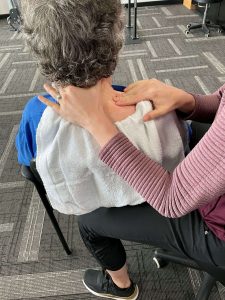
Your jaw doesn’t work in isolation. The position and movement of your head and neck can influence how your jaw functions.
Physical therapy may address:
- Forward-head posture
- Neck stiffness
- Upper-back mobility
- Neck and shoulder muscle strength
- Muscle tension throughout the neck and upper body
Improving these areas may help decrease stress placed on the jaw.
Education and Everyday Strategies
Physical therapy can also help you identify habits that may be contributing to your symptoms. Your therapist may provide guidance on things such as avoiding excessive gum chewing, recognizing jaw clenching, modifying activities that aggravate your symptoms, and performing exercises at home.
Learning how to manage your symptoms between therapy visits can be an important part of your recovery.
When Should You Seek Help?
Consider talking with a healthcare professional if jaw pain is interfering with eating, speaking, sleeping, or daily activities, or if you experience persistent pain, significant stiffness, or difficulty opening or closing your mouth.
Jaw symptoms can have many different causes, so an appropriate evaluation is important. In some situations, your physical therapist may also recommend consultation with your dentist, physician, or another healthcare professional.
You shouldn’t have to avoid your favorite foods, limit conversations, or change your daily activities because of jaw pain. Physical therapy may be able to help decrease pain, improve jaw and neck movement, and help you return to the activities you enjoy.
If you’re experiencing jaw pain or symptoms related to TMJ dysfunction, talk with a physical therapist to see if an evaluation is right for you.