
How Physical Therapy Helps You Recover After Knee Meniscus Surgery
July 7, 2026
A knee meniscus injury can significantly impact your ability to walk, work, exercise, and enjoy everyday activities. Whether your surgery involved a meniscus repair or a partial meniscectomy, the procedure is only the first step toward recovery. The real progress happens during rehabilitation, where physical therapy plays a vital role in helping you regain strength, mobility, and confidence.
Understanding the Meniscus
The meniscus is a C-shaped piece of cartilage that cushions your knee joint. Each knee has two menisci that act as shock absorbers between the thigh bone and shin bone. When the meniscus is torn due to sports, aging, or an accident, surgery may be recommended if conservative treatments are not enough to relieve pain or restore function.
After surgery, your knee needs time to heal—but it also needs the right amount of movement and strengthening. That’s where physical therapy becomes essential.
Why Physical Therapy Is So Important
Physical therapy is designed to help your knee recover safely while minimizing pain and preventing future problems. A structured rehabilitation program ensures that you regain normal movement without placing unnecessary stress on the healing tissue.
Some of the primary goals of physical therapy include:
- Reducing pain and swelling
- Restoring knee range of motion
- Improving muscle strength
- Rebuilding balance and coordination
- Restoring normal walking mechanics
- Helping you return to work, sports, and daily activities safely
Every rehabilitation program is customized based on your surgery, age, activity level, and personal goals.
The Stages of Recovery
Phase 1: Managing Pain and Swelling
Immediately after surgery, the focus is on protecting the knee while reducing inflammation. Your physical therapist may recommend:
- Ice and compression
- Elevation
- Gentle range-of-motion exercises
- Walking with crutches or an assistive device if needed
- Muscle activation exercises for the quadriceps
Early movement helps prevent stiffness and promotes healthy circulation without compromising healing.
Phase 2: Restoring Mobility
As healing progresses, therapy focuses on improving flexibility and restoring full knee motion. Limited mobility can lead to altered walking patterns and increased stress on other joints.
Common treatments may include:
- Stretching exercises
- Heel slides
- Stationary cycling
- Gentle manual therapy
- Patellar mobility exercises
Regaining full range of motion is one of the most important milestones in recovery.
Phase 3: Building Strength
Following surgery, muscles around the knee, especially the quadriceps, hamstrings, and glutes, often become weaker due to pain and inactivity.
Your physical therapist will gradually introduce strengthening exercises such as:
- Straight leg raises
- Mini squats
- Step-ups
- Leg presses
- Resistance band exercises
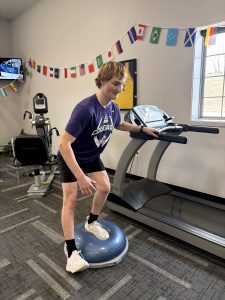
- Balance and stability training
Strong muscles provide better support for the knee and reduce stress on the healing joint.
Phase 4: Returning to Activity
The final stage of rehabilitation focuses on restoring normal movement patterns and preparing you for everyday activities or sports.
Depending on your goals, therapy may include:
- Agility drills
- Plyometric exercises
- Sport-specific training
- Running progression
- Functional movement training
Your therapist will assess your strength, balance, and movement quality before recommending a full return to higher-level activities.
Benefits of Physical Therapy After Meniscus Surgery
Patients who participate in a structured rehabilitation program often experience several important benefits, including:
- Faster recovery
- Improved knee stability
- Better flexibility
- Reduced pain
- Lower risk of reinjury
- Improved confidence with movement
- Quicker return to work and recreational activities
Physical therapy also helps identify movement patterns that may have contributed to the original injury, allowing you to correct them and reduce future risk.
Why Following Your Therapy Plan Matters
Skipping rehabilitation sessions or returning to activity too soon can delay healing and increase the chance of complications. Recovery is a gradual process, and each stage builds upon the previous one.
Your physical therapist works closely with your surgeon to ensure that exercises progress at the appropriate pace while protecting the repaired tissue.
Consistency with home exercises is equally important. Completing your prescribed exercises between appointments helps maintain progress and supports long-term recovery.
Every Recovery Is Different
Recovery timelines vary depending on the type of surgery performed. Patients who undergo a partial meniscectomy often recover more quickly, while a meniscus repair typically requires a longer rehabilitation period to allow the tissue to heal properly.
Your therapist will monitor your progress and adjust your treatment plan based on your individual recovery rather than a fixed timeline.
Final Thoughts
Meniscus surgery addresses the injury, but physical therapy is what helps restore your ability to move with confidence. Through guided exercises, personalized treatment, and gradual progression, physical therapy helps reduce pain, rebuild strength, and return you to the activities you enjoy.
If you’re recovering from knee meniscus surgery, partnering with a skilled physical therapist can make a significant difference in both the speed and quality of your recovery. By staying committed to your rehabilitation program, you’ll give your knee the best opportunity for long-term health, function, and stability.