
The Role of Physical Therapy in Treating Mid Back Pain
June 9, 2026
Mid back pain, also known as thoracic spine pain, is a common condition that can affect people of all ages and activity levels. While low back and neck pain often receive the most attention, discomfort in the mid back can significantly impact daily activities, work performance, sleep quality, and overall well-being. Fortunately, physical therapy is one of the most effective, non-invasive treatments available for managing and resolving mid back pain.
What Causes Mid Back Pain?
The thoracic spine consists of 12 vertebrae located between the neck and lower back. This region is designed to provide stability and support for the rib cage while allowing for movement and flexibility.
Common causes of mid back pain include:
- Poor posture, especially during prolonged sitting
- Muscle strains and overuse injuries
- Repetitive movements at work or during sports
- Joint stiffness and reduced spinal mobility
- Weakness in the core and upper back muscles
- Herniated discs or degenerative changes
- Scoliosis or other spinal alignment issues
- Injuries from falls, accidents, or sudden movements
Many individuals experience mid back pain as a result of prolonged computer use, frequent bending and lifting, or spending extended periods in static positions.
How Physical Therapy Helps
Physical therapy addresses the root causes of mid back pain rather than simply masking symptoms. A physical therapist performs a thorough evaluation to identify contributing factors and develops a personalized treatment plan designed to restore mobility, reduce pain, and improve function.
Pain Reduction
One of the primary goals of physical therapy is to decrease pain and inflammation. Therapists may utilize:
- Manual therapy techniques
- Soft tissue mobilization
- Joint mobilization
- Therapeutic modalities such as heat, ice, or electrical stimulation
- Targeted stretching exercises
These interventions help reduce muscle tension, improve circulation, and promote healing.
Improving Mobility
Stiffness in the thoracic spine can contribute to pain and movement limitations. Physical therapists prescribe specific mobility exercises designed to:
- Improve spinal flexibility
- Increase range of motion
- Reduce joint restrictions
- Restore normal movement patterns
Improved mobility often leads to decreased pain and enhanced function during daily activities.
Correcting Posture
Poor posture is one of the most common contributors to mid back pain. Slouching, rounded shoulders, and forward head posture place excessive stress on the muscles and joints of the thoracic spine.
Physical therapists provide education and exercises to:
- Strengthen postural muscles
- Improve body awareness
- Promote proper sitting and standing alignment
- Reduce strain on the spine during work and daily activities
Postural correction can significantly reduce recurring episodes of mid back pain.
Strengthening Supporting Muscles
Weakness in the core, shoulder blade stabilizers, and upper back muscles often contributes to poor spinal support.
A customized strengthening program may focus on:
- Core stabilization
- Scapular strengthening
- Upper back endurance
- Functional movement training
Improved muscular support helps reduce stress on the spine and prevents future injuries.
Restoring Function
Whether the goal is returning to work, sports, exercise, or everyday activities, physical therapy helps individuals safely regain their previous level of function.
Treatment plans are tailored to each patient’s specific goals and may include:
- Activity-specific exercises
- Ergonomic recommendations
- Lifting and movement education
- Sport-specific rehabilitation
Benefits of Physical Therapy for Mid Back Pain
Physical therapy offers several advantages over passive treatment approaches:
- Non-invasive and drug-free
- Addresses the underlying cause of pain
- Improves strength, flexibility, and mobility
- Reduces the risk of recurring symptoms
- Promotes long-term spinal health
- Helps patients avoid unnecessary medications or procedures
Many patients experience significant improvements within a few weeks of beginning a structured physical therapy program.
When Should You See a Physical Therapist?
Consider seeking physical therapy if:
- Mid back pain persists for more than a few days
- Pain interferes with work, sleep, or daily activities
- You notice stiffness or reduced mobility
- Symptoms recur frequently
- Pain develops after an injury or accident
Early intervention often leads to faster recovery and prevents chronic problems from developing.
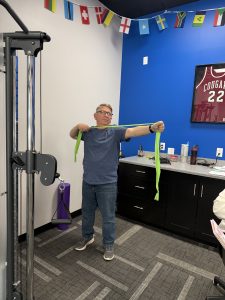
Mid back pain can be frustrating and limiting, but it does not have to become a long-term problem. Physical therapy provides a comprehensive approach to reducing pain, restoring mobility, improving posture, and building strength to support long-term recovery. Through individualized treatment and education, physical therapists help patients return to the activities they enjoy while reducing the risk of future episodes of pain.
If you are experiencing persistent mid back pain, a physical therapy evaluation can help identify the cause of your symptoms and create a personalized plan to get you moving comfortably again.