
The Role of Physical Therapy After Bunion Surgery: Getting Back on Your Feet
June 16, 2026
Bunion surgery can be life-changing for individuals who have struggled with chronic foot pain, difficulty walking, or limitations in their daily activities. While the surgery corrects the structural problem, the recovery process doesn’t end in the operating room. Physical therapy plays a vital role in helping patients regain strength, restore mobility, and safely return to the activities they enjoy.
What Is a Bunion?
A bunion (hallux valgus) is a bony prominence that forms at the base of the big toe. Over time, the big toe gradually shifts toward the smaller toes, causing the joint to become enlarged and often painful. Bunions can develop due to genetics, foot structure, arthritis, or prolonged use of poorly fitting footwear.
When conservative treatments such as shoe modifications, orthotics, activity changes, or pain management no longer provide relief, surgery may be recommended to correct the deformity.
Why Physical Therapy Matters After Surgery
Every bunion surgery is different, and recovery timelines vary depending on the specific procedure performed. Regardless of the surgical technique, patients often experience:
- Pain and swelling
- Stiffness in the big toe joint
- Weakness in the foot and ankle
- Difficulty walking
- Balance deficits
- Changes in gait mechanics
Physical therapy helps address these challenges while promoting proper healing and reducing the risk of long-term complications.
Benefits of Physical Therapy After Bunion Surgery
Reduce Pain and Swelling
Swelling can persist for several months following bunion surgery. Physical therapists use evidence-based techniques to help manage inflammation, including:
- Gentle movement exercises
- Elevation education
- Compression recommendations (when appropriate)
- Manual therapy
- Ice and other pain-relieving modalities
Managing swelling early can improve comfort and help restore motion more quickly.
Restore Range of Motion
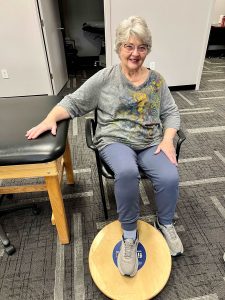
One of the most important goals after bunion surgery is regaining movement of the big toe. Limited motion can affect walking, stair climbing, and balance.
Your physical therapist will guide you through safe stretching and mobility exercises designed to:
- Improve flexibility
- Prevent stiffness
- Restore normal joint mechanics
- Improve toe function during walking
Beginning mobility exercises at the appropriate time can significantly improve long-term outcomes.
Rebuild Strength
After spending time in a surgical shoe, boot, or with limited weight-bearing, muscles throughout the foot, ankle, and lower leg naturally become weaker.
Physical therapy includes strengthening exercises for:
- Foot intrinsic muscles
- Calf muscles
- Ankle stabilizers
- Lower leg muscles
- Hip and core muscles that influence walking mechanics
Improved strength provides better support for the foot and helps prevent future injuries.
Improve Walking Mechanics
Many patients develop compensatory walking patterns both before and after surgery due to pain.
Physical therapists carefully evaluate your gait and help you:
- Walk with proper foot mechanics
- Improve push-off during each step
- Reduce limping
- Increase walking endurance
- Return to normal daily activities safely
Correcting abnormal movement patterns helps reduce unnecessary stress on other joints such as the knees, hips, and lower back.
Restore Balance and Stability
The foot plays a critical role in maintaining balance. Following surgery, many patients notice decreased confidence while walking on uneven surfaces or climbing stairs.
Balance training may include:
- Single-leg standing exercises
- Dynamic balance activities
- Proprioception training
- Functional movement exercises
Improved balance reduces fall risk and prepares patients for higher-level activities.
Return to Exercise and Sports
Whether your goal is walking comfortably, golfing, hiking, running, or participating in recreational sports, physical therapy provides a progressive plan to safely return to activity.
Your therapist will gradually increase:
- Strength
- Endurance
- Agility
- Functional movement
- Sport-specific activities when appropriate
Returning too quickly can delay healing, while progressing too slowly may prolong recovery. A personalized rehabilitation plan helps strike the right balance.
What to Expect During Physical Therapy
Your physical therapy program will be customized based on your surgeon’s protocol and your individual goals. Treatment may include:
- Pain and swelling management
- Manual therapy
- Range of motion exercises
- Strengthening exercises
- Balance training
- Walking and gait retraining
- Home exercise program
- Education on footwear and activity progression
As healing progresses, exercises become more challenging to restore normal function.
How Long Does Recovery Take?
Recovery varies depending on the surgical procedure and individual healing rates. While many patients begin walking in a protective shoe within several weeks, full recovery often takes several months.
It’s important to remember that swelling may continue for six months to a year, even as function steadily improves.
Working closely with both your surgeon and physical therapist helps ensure a safe, efficient recovery.
Don’t Rush the Healing Process
It’s common to feel eager to get back to normal activities, but following your rehabilitation plan is essential for the best outcome. Physical therapy helps ensure your foot heals properly while restoring the mobility, strength, and confidence needed for everyday life.
Bunion surgery corrects the alignment of the foot, but physical therapy helps restore its function. Through targeted exercises, hands-on treatment, gait training, and personalized guidance, physical therapists help patients recover more comfortably and return to the activities they love.
If you’re preparing for bunion surgery or are already recovering, ask your surgeon whether physical therapy is right for you. A structured rehabilitation program can make a significant difference in your recovery and long-term foot health.