
How Occupational Therapy Can Help with Breathing Difficulties
August 4, 2026
Breathing is something most of us rarely think about—until it becomes difficult. Whether breathing challenges are caused by chronic lung disease, a recent illness, a neurological condition, heart disease, or recovery from surgery, shortness of breath can make even simple daily activities feel overwhelming. Tasks like getting dressed, preparing meals, climbing stairs, or playing with grandchildren may suddenly require more effort than ever before.
Occupational therapy (OT) plays an important role in helping individuals manage breathing difficulties while maintaining their independence and quality of life. By teaching practical strategies, improving endurance, and modifying daily routines, occupational therapists help patients do more with less fatigue and greater confidence.
Understanding the Impact of Breathing Difficulties
Conditions such as chronic obstructive pulmonary disease (COPD), asthma, pulmonary fibrosis, heart failure, long COVID, pneumonia, and certain neurological disorders can all affect how efficiently the body uses oxygen. As breathing becomes more difficult, many people begin avoiding activities they once enjoyed, leading to decreased strength, endurance, and overall function.
This cycle of inactivity often makes breathing even more challenging over time.
Occupational therapists work to break this cycle by helping patients safely return to meaningful daily activities while conserving energy and minimizing shortness of breath.
Energy Conservation Techniques
One of the most valuable skills an occupational therapist teaches is energy conservation. Rather than simply encouraging patients to do less, OT helps them perform activities in smarter, more efficient ways.
Common energy conservation strategies include:
- Planning activities throughout the day to avoid overexertion
- Prioritizing the most important tasks
- Taking scheduled rest breaks before becoming fatigued
- Organizing the home to reduce unnecessary walking or reaching
- Sitting instead of standing during activities such as cooking, grooming, or folding laundry
- Using adaptive equipment to reduce physical effort
These techniques allow individuals to complete more of their daily routine while experiencing less breathlessness.
Breathing Techniques That Improve Efficiency
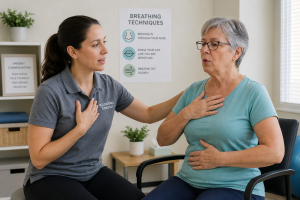
Occupational therapists often teach breathing strategies that help patients better control their breathing during activity.
Some commonly used techniques include:
Pursed-Lip Breathing
This technique involves inhaling through the nose and slowly exhaling through pursed lips. It helps slow the breathing rate, keeps airways open longer, and improves oxygen exchange.
Diaphragmatic Breathing
Also called belly breathing, this method encourages use of the diaphragm instead of relying on the muscles in the neck and shoulders. Over time, this can make breathing more efficient and reduce unnecessary muscle fatigue.
Patients learn how to coordinate these breathing techniques with movement, making activities like standing up, climbing stairs, or carrying groceries easier to perform.
Improving Endurance for Daily Activities
Occupational therapy focuses on gradually improving activity tolerance through carefully planned functional exercises.
Rather than exercising simply for exercise’s sake, OT incorporates movements that mimic everyday life, such as:
- Reaching into cabinets
- Carrying household items
- Dressing
- Bathing
- Meal preparation
- Laundry
- Household cleaning
By practicing these tasks safely, patients build endurance that directly translates into greater independence at home.
Home Modifications That Reduce Physical Demands
Sometimes small changes in the home environment can make a significant difference.
An occupational therapist may recommend:
- Shower chairs
- Handheld showerheads
- Raised seating
- Long-handled reaching devices
- Strategic furniture placement
- Frequently used items stored at waist height
- Rolling carts to transport objects
These modifications decrease the physical effort required for everyday tasks and reduce episodes of shortness of breath.
Managing Anxiety Related to Breathing
Difficulty breathing often creates anxiety, which can make breathing feel even more difficult. This cycle can lead patients to avoid activity altogether.
Occupational therapists help patients recognize this pattern while teaching relaxation techniques, breathing control, pacing strategies, and confidence-building exercises that reduce anxiety during daily routines.
By feeling more in control, many patients become more willing to stay active and engaged.
Education for Caregivers and Family Members
Occupational therapy also includes education for caregivers and loved ones. Family members learn how to:
- Encourage safe independence
- Assist without creating unnecessary dependence
- Recognize signs of excessive fatigue
- Support pacing and breathing techniques
- Help create a safer, more accessible home environment
This team approach often leads to better long-term outcomes.
Conditions That May Benefit from Occupational Therapy
Occupational therapy can benefit individuals experiencing breathing difficulties related to:
- Chronic obstructive pulmonary disease (COPD)
- Asthma
- Pulmonary fibrosis
- Long COVID
- Pneumonia recovery
- Heart failure
- Neuromuscular disorders
- Multiple sclerosis
- Parkinson’s disease
- Stroke
- Recovery after thoracic or cardiac surgery
Each treatment plan is individualized based on the person’s medical condition, goals, lifestyle, and daily responsibilities.
Working Together with Physical Therapy
Occupational therapists frequently collaborate with physical therapists to provide comprehensive care.
While physical therapy often focuses on improving strength, walking, balance, and overall physical endurance, occupational therapy emphasizes performing everyday activities safely and efficiently. Together, these disciplines help patients regain both mobility and independence.
Take the First Step Toward Easier Breathing
Living with breathing difficulties doesn’t have to mean giving up the activities that matter most. Occupational therapy provides practical solutions that help individuals conserve energy, improve endurance, reduce shortness of breath, and confidently participate in daily life.
If you or a loved one struggles with breathing during everyday activities, an occupational therapy evaluation can identify personalized strategies to improve function and quality of life. With the right guidance, many people discover they can accomplish more than they thought possible, one breath at a time.