
How Physical Therapy Can Help You With Your Shoulder Issues
February 3, 2026
Your shoulder is one of the most mobile — and complex — joints in your body. It allows you to reach overhead, lift, carry, throw, push, pull, and perform countless daily tasks. But because of this remarkable mobility, the shoulder is also especially vulnerable to pain, stiffness, weakness, and injury.
If you’ve noticed difficulty reaching into cabinets, putting on a jacket, sleeping comfortably, or returning to workouts or sports, physical therapy can play a key role in restoring your shoulder function and preventing long-term problems.
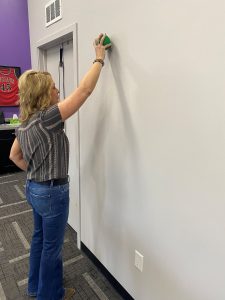
Why Shoulder Problems Are So Common
The shoulder isn’t just one joint — it’s a coordinated system of:
-
The shoulder blade (scapula)
-
The upper arm bone (humerus)
-
The collarbone (clavicle)
-
A network of muscles, tendons, and ligaments (including the rotator cuff)
For the shoulder to work well, all of these parts must move together in a precise way. When one part becomes weak, tight, inflamed, or poorly coordinated, pain and dysfunction quickly follow.
Common shoulder issues treated in physical therapy include:
-
Rotator cuff strains or tears
-
Shoulder impingement
-
Frozen shoulder (adhesive capsulitis)
-
Tendinitis and bursitis
-
Labral injuries
-
Postural-related shoulder pain
-
Post-surgical rehabilitation
Signs Your Shoulder Function Needs Help
You may benefit from physical therapy if you experience:
-
Pain when reaching overhead or behind your back
-
Weakness when lifting objects
-
Clicking, catching, or pinching sensations
-
Limited range of motion
-
Difficulty sleeping on the affected side
-
Ongoing stiffness that doesn’t improve with rest
Ignoring these signs often leads to compensation patterns, where you begin using your neck, back, or opposite shoulder in ways that create additional problems.
How Physical Therapy Restores Shoulder Function
Physical therapy doesn’t just treat the pain — it addresses the underlying cause of the dysfunction.
Restoring Mobility
Many shoulder problems start with stiffness in the joint or surrounding muscles. Your physical therapist uses targeted stretching, joint mobilization, and guided movement to restore normal range of motion safely.
Strengthening the Right Muscles
Weakness in the rotator cuff and shoulder blade muscles is a major contributor to shoulder pain. Therapy focuses on strengthening these key stabilizers so your shoulder moves efficiently and without irritation.
Improving Shoulder Blade Mechanics
Most people don’t realize how important the shoulder blade is. Poor posture, prolonged desk work, and rounded shoulders disrupt normal movement patterns. Physical therapy retrains proper shoulder blade positioning and movement.
Correcting Posture and Movement Patterns
Therapists identify faulty movement habits that overload the shoulder. By retraining posture and daily movement patterns, you reduce stress on the joint and prevent recurrence.
Reducing Inflammation and Pain
Hands-on techniques, therapeutic exercises, and modalities help calm irritated tissues and promote healing.
What to Expect in Physical Therapy
Your plan of care is individualized based on your specific diagnosis, lifestyle, and goals. Sessions often include:
-
Hands-on treatment
-
Guided exercises
-
Education on posture and activity modification
-
A home exercise program to accelerate recovery
As mobility improves and strength builds, you’ll notice everyday activities becoming easier and less painful.
Whether you want to get back to sports, lift weights, garden, sleep comfortably, or simply reach overhead without discomfort, physical therapy helps restore the shoulder’s natural mechanics so you can move confidently again.
The earlier you address shoulder issues, the faster and more complete your recovery is likely to be.
Shoulder pain rarely resolves on its own when movement dysfunction is involved. If you’re noticing persistent pain, stiffness, or weakness, a physical therapist can help you identify the cause and create a plan to get you back to full function.
Your shoulder was designed to move — physical therapy helps make sure it can.