Louisville NE 68037 & Plattsmouth NE 68048

Understanding Pediatric Arm Issues and the Role of Physical Therapy in Recovery

October 1, 2024

Children are naturally active, exploring the world with curiosity and energy. However, due to their growing bodies, they are also prone to various injuries and developmental issues, especially in their arms. Pediatric arm problems can result from congenital conditions, injuries, or delayed motor development. Physical therapy (PT) plays a pivotal role in addressing these concerns, helping children recover function and regain their mobility.

Common Pediatric Arm Issues

  1. Congenital Conditions

   Some children are born with conditions that affect the structure or function of their arms. Two common congenital arm conditions include:

   – Erb’s Palsy: This occurs due to a brachial plexus injury, often during birth. It can lead to weakness, loss of motion, or paralysis in the affected arm.

   – Congenital Limb Deficiency: Some children are born with partially or fully missing limbs or fingers. This may affect their ability to perform daily tasks or limit their range of motion.

  1. Fractures and Trauma

   Active children are prone to accidents. Falls, collisions, or sports-related injuries can lead to fractures or dislocations in the arms. A fracture can cause significant pain, reduced mobility, and long-term weakness if not managed properly.

  1. Developmental Delays

   Some children experience delays in motor development, impacting their ability to use their arms effectively. This could be due to a variety of factors, including muscle weakness, coordination issues, or neurological problems like cerebral palsy.

  1. Repetitive Strain Injuries

   Although less common in young children, overuse injuries can occur in older children involved in sports or activities that require repetitive arm movements. Conditions like “Little League Elbow” can affect young athletes involved in throwing sports, causing pain and inflammation in the elbow joint.


The Role of Physical Therapy in Pediatric Arm Issues

Physical therapy offers targeted interventions designed to restore function, build strength, and improve range of motion in children with arm issues. Here’s how PT helps address pediatric arm concerns:


  1. Pain Management and Healing

   After an injury or surgery, managing pain is a top priority. PT uses techniques such as heat therapy, ice application, and gentle stretching exercises to reduce discomfort and promote healing.

  1. Improving Range of Motion

   In cases where the arm’s movement is limited due to injury, stiffness, or congenital conditions, PT focuses on improving flexibility and range of motion. Therapists use specific exercises that encourage gradual stretching and movement of the joints and muscles.

  1. Strengthening Muscles

   Weakness in the arm muscles can be a significant issue in children recovering from fractures or conditions like Erb’s palsy. Physical therapists design strengthening exercises tailored to the child’s age and ability, helping them regain muscle tone and control.

  1. Enhancing Motor Skills

   For children with developmental delays or neurological conditions, physical therapists work to improve fine and gross motor skills. Activities like playing with blocks, catching a ball, or drawing help children refine their arm movements and hand-eye coordination.

  1. Preventing Re-Injury

   Physical therapy not only helps with recovery but also focuses on injury prevention. Therapists teach children proper body mechanics, ensuring they know how to perform activities safely to avoid future injuries.

  1. Promoting Independence

   One of the primary goals of pediatric physical therapy is to help children regain their independence. Whether it’s being able to feed themselves, write, or engage in sports, PT interventions are aimed at enabling children to live active, fulfilling lives.


When a child is referred to physical therapy for arm issues, the therapist will first assess the child’s condition. This assessment involves understanding the child’s medical history, examining the arm’s movement, and determining areas of weakness or pain.

Treatment plans are always customized to meet the child’s specific needs. PT sessions often feel like play for younger children, with therapists incorporating games, toys, and fun activities to keep the child engaged. Parents are encouraged to be involved in the process, helping with exercises at home to ensure continued progress.


Pediatric arm issues can impact a child’s daily life, but physical therapy offers hope for recovery and improved function. By addressing the root of the problem and providing specialized care, physical therapists play a crucial role in helping children heal, grow, and thrive.

If your child is experiencing any arm-related issues, consult with a pediatric physical therapist to explore treatment options that will ensure your child’s well-being and long-term mobility.


Understanding Posterior Tibialis Tendonitis and the Role of Physical Therapy

September 24, 2024

Posterior tibialis tendonitis (PTT) is a condition that affects the tendon responsible for supporting the arch of the foot. The posterior tibialis tendon, which runs along the inside of the ankle and foot, helps maintain the stability of the arch. When this tendon becomes inflamed or irritated, it can lead to pain, swelling, and weakness in the foot and ankle. If left untreated, it can result in flatfoot deformity, which significantly impacts mobility.

In this blog, we’ll dive deeper into what causes posterior tibialis tendonitis, its symptoms, and how physical therapy can play a crucial role in its treatment and rehabilitation.

Posterior tibialis tendonitis can develop due to overuse, especially in individuals who engage in activities that require repetitive foot movements, such as running, walking, or hiking. Other common causes include:

– Flat feet: Having flat feet puts extra stress on the posterior tibialis tendon, making it more prone to injury.

– Obesity: Excess body weight increases pressure on the tendon, leading to irritation.

– Improper footwear: Wearing shoes that lack adequate support for the foot arch can increase strain on the tendon.

– Trauma or injury: Sudden injuries or impacts to the foot or ankle can lead to tendon damage.


Over time, repetitive strain or acute injury to the posterior tibialis tendon can cause micro-tears and inflammation, resulting in pain and dysfunction.


Common symptoms of PTT include:

– Pain: Discomfort along the inside of the ankle or the arch of the foot, which may worsen with activity.

– Swelling: Visible swelling along the tendon path.

– Instability: Difficulty maintaining balance, especially when standing on one foot.

– Flattening of the arch: As the condition progresses, the arch may begin to collapse, leading to flatfoot.


Early intervention is key to preventing further damage to the tendon and potential complications such as permanent flatfoot deformity.

The Role of Physical Therapy in Treating Posterior Tibialis Tendonitis

Physical therapy is one of the most effective non-surgical treatments for posterior tibialis tendonitis. A well-structured rehabilitation program can reduce pain, improve tendon strength, and restore proper foot and ankle mechanics. Here’s how physical therapy can help:


  1. Pain Management and Inflammation Reduction

– Modalities: Physical therapists use therapeutic techniques like ice, heat, ultrasound, and electrical stimulation to alleviate pain and reduce inflammation in the affected tendon.

– Manual Therapy: Techniques such as soft tissue massage or myofascial release can be used to improve blood flow, decrease muscle tightness, and promote healing.


  1. Strengthening the Posterior Tibialis Muscle

The primary goal of physical therapy is to strengthen the posterior tibialis muscle and tendon to support the arch and improve foot stability. Some of the most effective exercises include:

– Toe raises: A simple but effective exercise that strengthens the muscles supporting the arch.

– Resisted ankle inversion: Using resistance bands to work on foot inversion, which targets the posterior tibialis muscle.

– Single-leg balance exercises: Enhancing stability and balance through exercises that improve proprioception and tendon strength.


  1. Improving Flexibility and Range of Motion

– Stretching exercises: Stretching the calf muscles (gastrocnemius and soleus) helps reduce tension on the tendon and improves ankle flexibility.

– Joint mobilization: Therapists may also focus on restoring the normal range of motion of the ankle and subtalar joints, which can become restricted during tendonitis.


  1. Correcting Foot Mechanics

Physical therapists assess your gait and identify any issues with foot mechanics that could be contributing to tendonitis. They may recommend:

– Orthotics: Custom orthotic insoles to support the arch and offload pressure from the posterior tibialis tendon.

– Taping or bracing: Taping techniques or braces may also be used to temporarily support the tendon while it heals.


  1. Gradual Return to Activity

A key component of physical therapy is creating a safe and structured plan for returning to daily activities and sports. The therapist will guide you through progressive strengthening exercises and low-impact activities to help you gradually return to full mobility without risking further injury.


Tips for Preventing Posterior Tibialis Tendonitis

Prevention is always better than cure. Here are some ways to reduce the risk of developing PTT:

– Wear supportive footwear: Choose shoes with proper arch support, especially if you have flat feet or engage in high-impact activities.

– Strengthen the feet and ankles: Incorporate exercises that strengthen the muscles around your foot and ankle into your workout routine.

– Maintain a healthy weight: Keeping your weight in a healthy range reduces the strain on your feet and tendons.

– Warm up and stretch: Always warm up before exercising and focus on stretching the calf and foot muscles to prevent excessive strain on the posterior tibialis tendon.


Posterior tibialis tendonitis can be a painful and debilitating condition, but with the right approach to treatment, recovery is possible. Physical therapy plays a vital role in managing PTT by addressing pain, strengthening the tendon, improving foot mechanics, and helping individuals return to their normal activities. Early intervention and a personalized rehabilitation program are key to preventing long-term complications and ensuring a full recovery.

If you suspect you have posterior tibialis tendonitis, it’s important to seek treatment from a healthcare professional or a physical therapist. The sooner you start addressing the issue, the better your chances of a full and speedy recovery.


1 in 3 Seniors Will Fall This Year. Physical Therapy Can Make Sure You’re Not One of Them

September 18, 2024

Falls are a big deal.

They can cause injuries and make it hard to live on your own. They can also make you afraid of falling again. This fear might make you less active, which can make you weaker and more likely to fall. It’s a tough cycle to break.

Falls aren’t a normal part of aging. Physical therapy can reduce your risk and help you stay independent. Here are 5 ways your PT can help.

Creating a personalized exercise plan

Being active helps prevent falls. Your PT will make an exercise plan just for you, based on what your needs and what you like to do. This should be fun! Think about going on walks, dancing, aquatic exercise, or practicing yoga.

Making Your Home Safer

Many falls happen at home. Simple changes like removing tripping hazards and using night lights can make a big different. Your physical therapist can help you with these and recommend other modifications to make your home safer.

Strength and Balance Exercises

Strong muscles and good balance are key to preventing falls. Your PT will show you specific exercises that help with both.

Addressing underlying health issues

Falls are often the result of multiple factors. Your PT can work with your other doctors to address things like vision problems, heart issues, incontinence, or diabetes that might make you more likely to fall.

Help you find community programs

Staying active is easier and more fun with others. Your PT can help you find group exercise classes or other programs in your area that will help you stay strong and independent.

Take the first step.

If you’re worried about falling, or if you’ve already had a fall, don’t wait to get help. Talk to your PT.

Falling isn’t a normal part of getting older. With the right help, you can stay strong, keep your balance, and keep doing the things you love. Physical therapy is a great way to make sure you stay on your feet and stay active and independent.

Take that first step towards better balance and a more active life. Your future self will thank you!


References

  1. Exercise for falls and fracture prevention in long term care facilities: a systematic review and meta-analysis. J Am Med Dir Assoc. 2013;14(9):685-689.e2.
    1.  https://pubmed.ncbi.nlm.nih.gov/23860265/
  2.  Preventing Falls in Older Persons. Am Fam Physician. 2017 Aug 15;96(4):240-247. PMID: 28925664.
    1.  https://pubmed.ncbi.nlm.nih.gov/28925664/
  3. The Effectiveness of Physical Therapist–Administered Group-Based Exercise on Fall Prevention: A Systematic Review of Randomized Controlled Trials. Journal of Geriatric Physical Therapy 36(4):p 182-193, October/December 2013.
    1. https://journals.lww.com/jgpt/fulltext/2013/10000/the_effectiveness_of_physical.5.aspx?casa_token=r5fLfvxztA0AAAAA:9yaeibFmZiCeIZiQcSOVcbWkWpA_8spTG-bNT2UFa-D2Dc7tljHsv3VW5XfmnvIySLNwrJDd7aqnJTsfdHmRqK8
  4.  Exergame technology and interactive interventions for elderly fall prevention: A systematic literature review
    1. https://www.sciencedirect.com/science/article/abs/pii/S0003687016302265
  5. Reducing the Risk of Falling and Injuries From Falls: Research on the Value of Physical Therapy
    1. apta-handout-falls-research.pdf
  6. Physical Therapy Guide to Falls
    1. https://www.choosept.com/guide/physical-therapy-guide-falls
  7. Fall Prevention Starts with a Conversation
    1. https://www.ncoa.org/article/falls-prevention-conversation-guide-for-caregivers
  8. Balance and Falls
    1. https://www.apta.org/patient-care/public-health-population-care/balance-and-falls

World Physical Therapy Day: Celebrating the Power of Movement

September 10, 2024

Every year on September 8th, people around the globe come together to celebrate World Physical Therapy Day (and Dan’s birthday!!). It’s a day dedicated to raising awareness about the crucial role that physical therapists play in keeping us healthy, mobile, and active. But why is this day important, and how does physical therapy impact our lives? Let’s take a deeper dive into the significance of this global event and what it represents.

World Physical Therapy Day was established in 1996 by the World Confederation for Physical Therapy (WCPT), now known as World Physiotherapy. The aim was to recognize the profession and highlight its importance in the health and wellness sector. September 8th was chosen as the day to honor the establishment of WCPT in 1951, a milestone in the advancement of the field.

Since then, the day has grown into a global campaign promoting the benefits of physical therapy in helping people achieve, maintain, and restore maximum movement and functional ability throughout their lives.

Why Physical Therapy Matters

Whether it’s recovering from injury, managing chronic pain, or improving overall mobility, physical therapy plays a pivotal role in improving quality of life. Physical therapists work with individuals of all ages, from newborns to the elderly, to address a wide range of conditions:

– Rehabilitation after surgery or injury: Physical therapists help patients recover faster and more effectively, reducing pain, improving strength, and increasing range of motion.

– Chronic disease management: Many people live with conditions like arthritis, diabetes, or cardiovascular disease. Physical therapy can help manage symptoms, improve mobility, and prevent further complications.

– Prevention and wellness: It’s not just about treatment. Physical therapists also focus on prevention, helping people maintain a healthy lifestyle and avoid injuries.


2024 World Physical Therapy Day Theme: Arthritis and the Role of Physical Therapy

Each year, World Physical Therapy Day has a theme that focuses on a specific aspect of the profession. In 2024, the focus is on “arthritis”, one of the most common conditions worldwide, affecting millions of people. The day seeks to highlight how physical therapists can assist individuals living with arthritis to manage pain, improve joint function, and enhance their overall quality of life. Examples of how physical therapy can help management arthritis, and its symptoms are:

– Strength and flexibility training: Physical therapists design personalized exercises that help strengthen the muscles around joints, which can reduce pain and improve function.

– Pain management techniques: Manual therapy, heat, cold treatments, and education on joint protection strategies are commonly employed by therapists to help patients live with less pain.

– Education and self-management: Physical therapists educate patients about their condition, teaching them ways to self-manage symptoms and prevent further damage.


How You Can Get Involved on World Physical Therapy Day

There are many ways to get involved and raise awareness about the importance of physical therapy:

– Share stories: Whether you’ve personally benefited from physical therapy or know someone who has, sharing real-life stories can inspire others and spread awareness.

– Attend local events: Many clinics, hospitals, and physical therapy associations host open days, workshops, and talks to educate the public about the profession.

– Engage on social media: Use the hashtag #WorldPTDay to join the global conversation. Share facts, infographics, or personal experiences to help others understand the value of physical therapy.

– Support your local physical therapists: Show appreciation for the physical therapists in your community who work tirelessly to keep people moving and thriving.


Looking Ahead: The Future of Physical Therapy

As medical technology advances, the field of physical therapy is evolving as well. New techniques such as robotic-assisted therapy, tele-rehabilitation, and virtual reality are being integrated into treatment plans to provide even more effective care. As the population ages and more people live with chronic conditions, the demand for physical therapy will continue to grow.

World Physical Therapy Day is a reminder of the significant impact this profession has on individuals, families, and communities. It celebrates the dedicated professionals who work to improve the quality of life for people around the world. It also highlights the importance of movement in maintaining our health and well-being—a concept that resonates deeply in a time when maintaining physical activity is more crucial than ever.

So, this September 8th, take a moment to recognize the power of movement and the physical therapists who make it possible for so many to live fuller, healthier lives.


How Physical Therapy Can Help with Sciatica

September 3, 2024

Sciatica is a common condition that can cause intense pain, discomfort, and even disability. This condition occurs when the sciatic nerve, which runs from the lower back through the hips and down each leg, becomes irritated or compressed. The pain associated with sciatica can range from mild to severe, often radiating from the lower back down to the legs. Fortunately, physical therapy offers a non-invasive and highly effective approach to managing and alleviating sciatica symptoms.

The most common causes include:

– Herniated Disc: A bulging or ruptured disc in the spine can press on the sciatic nerve, causing pain.

– Spinal Stenosis: Narrowing of the spinal canal can compress the sciatic nerve roots.

– Piriformis Syndrome: When the piriformis muscle in the buttocks irritates the sciatic nerve.

– Spondylolisthesis: A condition where one vertebra slips over another, leading to nerve compression.

– Hamstring Syndrome: A condition where increased tone in the hamstring muscle can cause sciatic nerve irritation.


These conditions can result in pain, tingling, numbness, and muscle weakness in the lower back, buttocks, and legs.


Physical therapy is a cornerstone in the treatment of sciatica. It offers several benefits, including pain relief, improved mobility, and long-term prevention of future episodes. Here’s how physical therapy can help:


Pain Management

One of the primary goals of physical therapy is to manage and reduce pain. A physical therapist will employ various techniques such as:

– Heat and Ice Therapy: To reduce inflammation and numb the pain.

– Manual Therapy: Hands-on techniques to mobilize the spine and soft tissues, alleviating pressure on the sciatic nerve.

– Electrical Stimulation: Using electrical currents to reduce pain and muscle spasms.


Strengthening and Stretching Exercises

A well-designed exercise program is essential in treating sciatica. Physical therapists tailor exercises to target specific muscles that may be contributing to nerve compression. These exercises include:

– Core Strengthening: Strengthening the muscles around the spine can help reduce the load on the lower back, alleviating pressure on the sciatic nerve.

– Hamstring and Piriformis Stretching: Tight muscles can exacerbate sciatic pain. Stretching helps to relieve tension in these areas.

– Low-impact Aerobic Exercises: Such as walking or swimming, can improve overall fitness and help with weight management, reducing stress on the spine.

Improving Posture and Body Mechanics

Poor posture and improper body mechanics can worsen sciatica symptoms. Physical therapists provide guidance on:

– Proper Lifting Techniques: To avoid placing unnecessary strain on the lower back.

– Posture Correction: Teaching patients how to maintain a neutral spine position to reduce nerve irritation.

– Ergonomics: Advice on setting up workstations and other environments to support a healthy posture.


Education and Prevention

Physical therapy isn’t just about treating current symptoms; it’s also about preventing future episodes. Therapists educate patients on:

– Lifestyle Modifications: Such as maintaining a healthy weight, regular exercise, and avoiding prolonged sitting.

– Self-management Techniques: Including stretches and exercises to perform at home to manage symptoms if they recur.


It’s important to seek physical therapy early during sciatica to prevent chronic pain and disability. If you experience any of the following, consider consulting a physical therapist:

– Persistent pain that doesn’t improve with rest or over-the-counter pain relievers.

– Pain that radiates from the lower back to the legs.

– Numbness, tingling, or muscle weakness in the legs.

– Difficulty with movement, walking, or performing daily activities.


Physical therapy is a safe, effective, and non-invasive approach to managing and treating sciatica. By focusing on pain relief, strengthening exercises, posture correction, and patient education, physical therapy not only alleviates current symptoms but also helps prevent future episodes of sciatica. If you’re struggling with sciatica, consulting with a physical therapist could be your first step toward a pain-free life.

Head Back To School With A Healthy Back

August 27, 2024

Fall is on the way. So are school buses and students carrying…backpacks. You might not think much about those bags full of books, pencils, crayons and computers, but physical therapists are.

Why Backpacks Matter

Students will always have things to carry between home and school. A backpack is a great way to do that, but if they’re too heavy, they can cause problems.

Research has shown that carrying a heavy backpack changes students’ posture, walking speed, step length and more. Unsurprisingly, we also know that as students walk greater distances and become more fatigued, all of these changes get worse.

These changes can lead to neck pain, back pain, or other musculoskeletal issues.

How Heavy Is Too Heavy?

How much weight a student can safely carry is directly affected by how much they weigh.

Studies have shown that changes in posture and performance start to occur when the weight of the backpack is 10% of the student’s body weight. The consensus among experts is that students should not carry more than 15% of their body weight in a backpack.

Unfortunately, most of the data show that more than half of students are carrying more than the recommended load.

5 Tips for Parents and Students

To reduce backpack weight and help your student avoid pain, here are a few tips:

  1. Plan ahead – Each night, go through the backpack and remove items not needed the next day. Likewise, make sure your student isn’t bringing things home that they won’t need that night.
  2. Use your locker – Planning ahead can help remove extra weight between home and school. The locker can lighten the load during the school day. By making a few stops at their locker, students can avoid carrying extra loads around during the school day.
  3. Pack right – Heavier items should be placed close to the student’s back and lighter items further away.
  4. Wear it right – Using both shoulder straps, and front or hip straps if you have them to help distribute the load evenly. The bottom of the pack should be even with the bottom of the low back. Packs worn too high or low exaggerate postural changes and can restrict movement.
  5. Pick the right pack – If you’re shopping for a new backpack, look for one with two straps rather than one. A chest strap and hip belt can help distribute the load. The pack should also be sized appropriately – no longer than the student’s torso.

You can’t control what your student needs for school. However, you can use these tips to help reduce the load your student carries, and to make sure that they carry it right.

If your student is having pain in their back, neck, or anywhere else, give your physical therapist a call today. They’ll be able to help!


How Physical Therapy Can Help with Tennis Elbow and Golfer’s Elbow

August 20, 2024

If you’ve ever experienced pain on the outside of your elbow after playing tennis or on the inside of your elbow after a round of golf, you may be dealing with two common conditions: tennis elbow and golfer’s elbow. Both injuries are frustrating, but with the right approach, they are manageable. Physical therapy is a highly effective treatment option that can help you recover and get back to doing the activities you love. Let’s explore how physical therapy can help with these conditions.

Tennis Elbow (Lateral Epicondylitis)                     

Tennis elbow, or lateral epicondylitis, is a condition where the tendons that attach to the outside of the elbow become inflamed or damaged. Despite its name, tennis elbow isn’t limited to tennis players. It’s common for anyone who repeatedly uses the wrist and arm, leading to pain and tenderness on the outer part of the elbow.

Golfer’s Elbow (Medial Epicondylitis)

Golfer’s elbow, or medial epicondylitis, is like tennis elbow, but it affects the tendons on the inside of the elbow. This condition results from repetitive wrist flexion, which strains the tendons. While it’s called golfer’s elbow, it can affect anyone who performs activities that involve repetitive gripping or wrist movements.

Physical therapy is a cornerstone of treatment for both tennis elbow and golfer’s elbow. A physical therapist can design a personalized treatment plan that addresses your specific symptoms, the severity of your condition, and your activity level. Here’s how physical therapy can help:


  1. Pain Management

The first goal of physical therapy is to reduce pain and inflammation. Therapists may use various techniques such as ice, heat, ultrasound, or electrical stimulation to manage pain. Gentle stretching exercises can also help alleviate tension in the affected muscles and tendons.


  1. Strengthening Exercises

Weak muscles around the elbow can contribute to the development and persistence of tennis elbow and golfer’s elbow. Physical therapists will guide you through specific strengthening exercises that target the forearm, wrist, and hand muscles. Strengthening these muscles helps support the elbow joint, reducing strain on the tendons and preventing future injury.


  1. Improving Flexibility

Tight muscles and tendons can exacerbate symptoms and slow recovery. Physical therapy often includes stretching exercises to improve flexibility in the forearm and wrist. These stretches help maintain the range of motion in the elbow and prevent stiffness.

  1. Manual Therapy

Manual therapy involves hands-on techniques that a physical therapist uses to mobilize and manipulate the affected area. Techniques such as soft tissue massage, joint mobilization, and myofascial release can help reduce pain, improve circulation, and enhance tissue healing.


  1. Activity Modification and Ergonomics

One of the key aspects of physical therapy is identifying and modifying the activities that contributed to the injury. Your therapist will work with you to improve your technique in sports or daily activities, ensuring that you use proper body mechanics to avoid putting undue stress on the elbow. They may also provide ergonomic advice for your workspace or sports equipment.


  1. Education and Prevention

Education is a critical component of physical therapy. Understanding the cause of your condition and how to prevent it from recurring is essential for long-term recovery. Your therapist will teach you exercises and techniques to maintain your progress and prevent future injuries.


Starting physical therapy early can significantly impact your recovery. Addressing symptoms as soon as they appear can prevent the condition from worsening and reduce the risk of chronic pain. Early intervention also helps minimize downtime, allowing you to return to your activities sooner.

Tennis elbow and golfer’s elbow can be painful and limiting, but physical therapy offers a path to recovery. Through a combination of pain management, strengthening exercises, manual therapy, and education, physical therapy can help you regain function and prevent future injuries. If you’re struggling with elbow pain, consider consulting a physical therapist to develop a personalized treatment plan that will get you back to the activities you enjoy, pain-free.


How Physical Therapy Can Help with Patellar Dislocation

August 13, 2024


Patellar dislocation, commonly referred to as a dislocated kneecap, is a painful and often debilitating injury. It occurs when the patella (kneecap) slips out of its normal position, usually to the outside of the knee. This injury can result from a direct blow, sudden change in direction, or twisting movement, and it’s often seen in athletes, particularly in sports that involve jumping, cutting, or rapid changes in direction.

The patella is a small bone at the front of the knee that sits in a groove at the end of the femur (thigh bone). It plays a critical role in the mechanics of the knee joint, helping to protect it and ensuring smooth movement. When the patella dislocates, it can cause damage to the surrounding ligaments, cartilage, and bone, leading to pain, swelling, and instability.

Following a patellar dislocation, it’s essential to allow the knee to heal properly. In many cases, physical therapy plays a crucial role in the recovery process, helping patients regain strength, stability, and function in their knee.

Physical therapy for patellar dislocation focuses on several key goals:

  1. Reducing Pain and Swelling: In the early stages of recovery, managing pain and swelling is vital. Physical therapists may use techniques such as ice therapy, compression, and elevation to help reduce inflammation. Modalities like electrical stimulation or ultrasound therapy can also be employed to manage pain.


  1. Restoring Range of Motion: A dislocated patella can lead to stiffness in the knee joint. Gentle range-of-motion exercises are introduced early in the rehabilitation process to prevent the knee from becoming stiff and to promote flexibility. These exercises are designed to restore normal movement while minimizing stress on the healing structures.


  1. Strengthening the Muscles Around the Knee: Strengthening the quadriceps, hamstrings, and hip muscles is essential for stabilizing the knee joint and preventing future dislocations. The quadriceps play a significant role in keeping the patella in its proper alignment. Physical therapists design individualized exercise programs that target these muscle groups, gradually increasing intensity as the patient progresses.


  1. Improving Proprioception and Balance: Proprioception refers to the body’s ability to sense its position in space. After a patellar dislocation, proprioception can be impaired, increasing the risk of re-injury. Physical therapists use balance exercises and techniques such as wobble boards or single leg stands to improve proprioception and ensure the knee can respond effectively to various movements.


  1. Enhancing Functional Movement: As recovery progresses, physical therapists introduce exercises that mimic everyday activities or sport-specific movements. These exercises help patients regain confidence in their knee and ensure they can return to their normal activities safely. For athletes, this phase may include agility drills, plyometrics, and sport-specific training.

  1. Preventing Recurrence: One of the most important aspects of physical therapy for patellar dislocation is preventing future episodes. By strengthening the muscles around the knee, improving flexibility, and enhancing proprioception, physical therapy significantly reduces the risk of another dislocation. Patients are also educated on proper movement techniques and exercises to maintain knee health long-term.


Patellar dislocation can be a challenging injury, but with the right approach to physical therapy, patients can recover fully and regain their quality of life. The comprehensive rehabilitation provided by physical therapists not only addresses the immediate symptoms of the injury but also equips patients with the tools and knowledge to prevent future occurrences. Whether you’re an athlete eager to return to your sport or someone looking to regain normal function in your knee, physical therapy offers a path to recovery that is both effective and empowering.

By following a structured physical therapy program, individuals who have experienced a patellar dislocation can look forward to a strong, stable, and pain-free knee.

The Vital Role of Physical Therapy in Olympic Diving

August 6, 2024


Olympic diving is a sport that combines grace, agility, and precision. Divers perform acrobatic feats from heights of up to 10 meters, requiring exceptional strength, flexibility, and coordination. However, the physical demands of the sport can lead to injuries and strain, making physical therapy an essential component of a diver’s training regimen. In this blog, we’ll explore the vital role that physical therapy plays in the lives of Olympic divers.


Diving is a high-impact sport that places significant stress on the body. Divers must maintain perfect form while executing complex maneuvers, and the impact of entering the water can be jarring. Common areas of stress and potential injury include:


Shoulders: Repetitive motion and strain can lead to rotator cuff injuries.

Back: The spine endures considerable pressure during twists and somersaults.

Knees: The impact of hitting the water can cause strain and injuries.

Wrists: Divers often use their hands to break their fall, leading to potential wrist injuries.


Physical therapy helps divers manage the physical demands of their sport, prevent injuries, and recover swiftly when injuries occur. Here are some key aspects of how physical therapy supports Olympic divers:


  1. Injury Prevention: Physical therapists work with divers to develop strength and flexibility, focusing on areas most susceptible to injury. This includes:
  2. Strength Training: Building muscle strength, particularly in the shoulders, core, and legs, to withstand the physical demands of diving.
  3. Flexibility Exercises: Enhancing flexibility to perform complex maneuvers and reduce the risk of muscle strains.
  4. Biomechanical Analysis: Analyzing diving techniques to identify and correct movements that could lead to injury.


When injuries do occur, physical therapy is crucial for a diver’s recovery. A tailored rehabilitation program will include:


  1. Pain Management: Techniques such as ice, heat, and manual therapy to reduce pain and inflammation.
  2. Restorative Exercises: Gradual exercises to restore strength and mobility to the injured area.
  3. Functional Training: Simulating diving movements to ensure the diver can safely return to their sport.


Physical therapists also play a role in enhancing a diver’s overall performance. This involves:


  1. Custom Training Programs: Developing individualized training regimens that address the unique needs of each diver.
  2. Recovery Strategies: Implementing strategies such as massage, stretching, and proper nutrition to aid in recovery and improve performance.
  3. Mental Conditioning: Teaching techniques to manage the mental and emotional aspects of recovering from injury and returning to competition.


Physical therapy is an indispensable part of an Olympic diver’s life, ensuring they can perform at their best while minimizing the risk of injury. By focusing on injury prevention, rehabilitation, and performance enhancement, physical therapists help divers achieve their dreams and maintain their health and well-being throughout their careers. As we watch these athletes soar through the air and plunge into the water with breathtaking precision, we can appreciate the vital role that physical therapy plays in their incredible achievements.

If you’re an athlete, consider incorporating physical therapy into your training regimen to optimize your performance and prevent injuries. For those interested in the field of physical therapy, the world of sports offers a dynamic and rewarding career path, helping athletes reach their full potential.

By understanding the intersection of physical therapy and Olympic diving, we gain a deeper appreciation for the behind-the-scenes efforts that contribute to the awe-inspiring performances we witness on the world stage.

Getting the Most Out of Your Workouts

July 30, 2024

Exercise is one of the best things you can do for your health. It can reduce your risk of chronic diseases like diabetes or cancer. It reduces your risk of stroke, dementia, osteoporosis, and obesity. Exercise also helps with your mood, sleep, and overall quality of life.

Despite all of these benefits, most Americans don’t get enough. According to the Department of Health, 80% of Americans don’t meet the recommendations for physical activity. This is impacting our health. About half of American adults have a preventable chronic disease. The good news is that exercise has a positive impact on seven of the ten most common ones. That leads to the question:

Are you getting enough activity?

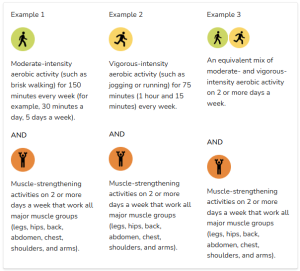
Here are the current guidelines:

  • Preschool-aged children (ages 3 – 5) at least 3 hours of physical activity daily
  • Children and adolescents (ages 6 – 17) at least 60 minutes of activity a day
  • Adults 150 minutes of moderate-intensity aerobic activity weekly, and muscle-strengthening activities on at least 2 days
  • Older adults (ages 65 and older) Same as the adults above with additional components added such as balance training

If you’re falling short on physical activity, you may not think of your PT as someone who can help, but you should!

Physical therapists have extensive training in anatomy, physiology, and movement science. They can get anybody moving! Here are some great times to choose a PT to help with your fitness:

  • You’re recovering from an injury or surgery.
  • You have pain or limitations that affect your movement.
  • You have a chronic condition that affects your fitness, like arthritis.
  • You need help improving your balance or preventing falls.
  • You want a personalized program that addresses specific weaknesses or imbalances.

Your PT can work with your physicians and medical team to ensure your workouts are safe. As you progress, they can also work with professionals like strength coaches or personal trainers to take your fitness to the next level.

With your PT’s guidance, you can address limitations, prevent injuries, and design a personalized program that keeps you motivated and moving towards a healthier you.


References

1)      Building motivation and sustainability into the prescription and recommendations for physical activity and exercise therapy: The evidence, Physiotherapy Theory and Practice, 25:5-6, 424-441,

  1. DOI: 10.1080/09593980902835344

2)      The physical therapist’s role in physical activity promotion. British Journal of Sports Medicine 2009;43:99-101.

  1. https://bjsm.bmj.com/content/43/2/99.citation-tools

3)      Improving Adherence to Exercise: Do People With Knee Osteoarthritis and Physical Therapists Agree on the Behavioral Approaches Likely to Succeed?.

  1. Arthritis Care Res, 70: 388-397. https://doi.org/10.1002/acr.23297

4)      Periodization and physical therapy: Bridging the gap between training and rehabilitation

  1. https://www.sciencedirect.com/science/article/abs/pii/S1466853X1500067X


Articles/Content:

1)      Physical Activity Improves Your Health and Quality of Life

  1. https://www.choosept.com/video/physical-activity-improves-health-quality-life

2)      Home Exercise From a Physical Therapist

  1. https://www.choosept.com/video/home-exercises-floor-mat

3)      Tips to Avoid Overtraining

  1. https://www.choosept.com/health-tips/tips-avoid-overtraining-injuries