
The Role of Physical Therapy After Hammertoe Correction: Getting Back on Your Feet
November 3, 2026
Hammertoes can make everyday activities such as walking, wearing shoes, exercising, and standing for long periods uncomfortable and sometimes painful. When conservative treatments are no longer effective, surgical correction may be recommended to straighten the affected toe and improve foot function.
While surgery is an important step toward relieving pain and correcting the deformity, recovery doesn’t end when you leave the operating room. Physical therapy can play an important role in helping you regain mobility, strength, balance, and confidence as you return to your daily activities.
What Is Hammertoe Correction Surgery?
A hammertoe is a deformity that causes one or more toes to bend abnormally at the middle joint, creating a curled or hammer-like appearance. This can lead to pain, corns, calluses, swelling, and difficulty finding comfortable footwear.
Hammertoe correction surgery typically involves procedures to straighten the affected toe. Depending on the severity of the deformity, the surgeon may release tight soft tissues, repair tendons, or remove or reposition portions of bone. Some procedures involve temporary pins or other hardware to maintain proper alignment during healing.
Following surgery, patients may experience swelling, stiffness, weakness, altered walking patterns, and difficulty putting weight through the foot. This is where physical therapy can help.
How Physical Therapy Helps After Hammertoe Surgery
Every patient’s recovery is different, and rehabilitation should follow the surgeon’s specific instructions regarding weight-bearing, wound healing, and activity restrictions. Once cleared by the surgeon, physical therapy can address several important areas.
Restoring Range of Motion and Flexibility
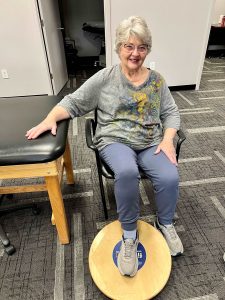
Following surgery, the affected toe and surrounding joints may become stiff. Swelling, tissue healing, and limited movement during recovery can contribute to decreased mobility.
Physical therapy can help restore appropriate movement in the toes, foot, and ankle through guided exercises and mobility techniques. Improving flexibility can make walking more comfortable and help patients return to normal foot mechanics.
Reducing Swelling and Discomfort
Swelling is common after hammertoe correction and can sometimes persist for several weeks or longer. Excessive swelling can make it difficult to wear shoes, move the toes, and walk comfortably.
A physical therapist can provide education and strategies to help manage swelling, which may include:
-
Elevation and positioning techniques.
-
Appropriate ankle and foot exercises.
-
Gentle movement to encourage circulation.
-
Activity modification and gradual progression.
Improving Foot and Ankle Strength
After surgery, muscles in the foot and ankle may become weak due to reduced activity and limited weight-bearing.
A physical therapist can develop an individualized strengthening program that may include:
-
Ankle strengthening exercises.
-
Toe and intrinsic foot muscle activation.
-
Resistance band exercises.
-
Foot stabilization activities.
-
Progressive strengthening for the lower extremities.
Restoring strength helps improve foot stability, walking mechanics, and the ability to tolerate everyday activities.
Retraining Your Walking Pattern
One of the most important goals following hammertoe correction is returning to a comfortable, normal walking pattern.
During recovery, patients may develop compensatory walking patterns to avoid putting pressure on the surgical foot. This can lead to limping, decreased push-off, or increased stress on other areas of the foot, ankle, knee, and hip.
Physical therapy can help patients gradually restore:
-
Proper weight distribution through the foot.
-
A more natural heel-to-toe walking pattern.
-
Appropriate balance between both legs.
-
Improved push-off during walking.
-
Confidence with standing and walking activities.
Improving Balance and Stability
Foot surgery can temporarily affect balance and stability, particularly when patients have been using a surgical shoe, walking boot, crutches, or other assistive devices.
Balance training helps patients regain confidence while standing, walking, navigating uneven surfaces, and performing daily activities.
Exercises may progress from supported standing activities to more challenging balance tasks as healing allows.
Returning to Normal Activities and Footwear
Getting back into regular shoes is an important milestone for many patients following hammertoe surgery. However, swelling, stiffness, and sensitivity can make this transition challenging.
Physical therapy can help patients gradually increase their tolerance for standing, walking, and other activities while providing guidance on appropriate activity progression.
Your therapist can also discuss footwear considerations, including adequate toe-box space and supportive shoes, to help reduce unnecessary pressure on the toes.
When Should You Start Physical Therapy?
The timing of physical therapy depends on the type of surgical procedure performed, the surgeon’s protocol, and how well the foot is healing.
Some patients may benefit from early instruction in safe mobility, swelling management, and ankle exercises. More direct toe mobility, strengthening, balance training, and walking progression are introduced when appropriate and approved by the surgeon.
It is important not to force toe movement or begin strengthening too early, particularly if pins, incisions, or bone healing are still involved.
Why Choose Physical Therapy After Hammertoe Correction?
Although the surgery corrects the structural deformity, patients still need to restore the strength, flexibility, balance, and movement patterns necessary for normal function.
Without appropriate rehabilitation, some patients may continue to experience stiffness, weakness, altered walking patterns, or difficulty returning to their previous activity levels.
Physical therapy provides individualized care to help patients progress safely through recovery and achieve the best possible functional outcome.
Get Back on Your Feet with Witte Physical Therapy!
At Witte Physical Therapy, we understand that foot pain and limited mobility can interfere with the activities you enjoy most. Our goal is to help you recover safely, regain your mobility, and get back to doing the things you love.
Whether your goal is to walk comfortably, return to exercise, get back to work, or simply enjoy everyday activities without foot pain, physical therapy can be an important part of your recovery following hammertoe correction.
Don’t let foot surgery keep you on the sidelines! Contact Witte Physical Therapy to learn how we can help you get back on your feet.