
How Physical Therapy Can Help Treat T6 Syndrome
September 22, 2026
Mid-back pain can sometimes be confusing, especially when symptoms extend beyond the spine and affect the chest, abdomen, or even the arms. T6 Syndrome, sometimes referred to as thoracic radiculopathy or thoracic spinal dysfunction, is a condition involving irritation or dysfunction around the middle portion of the thoracic spine. Physical therapy can play an important role in identifying contributing factors, reducing symptoms, restoring movement, and helping prevent the problem from returning.
What Is T6 Syndrome?
The thoracic spine consists of 12 vertebrae, labeled T1 through T12. T6 is located approximately in the middle of the upper and mid-back.
T6 Syndrome is generally associated with irritation or dysfunction of the structures surrounding the T6 vertebral level. Symptoms may include:
- Pain or stiffness in the middle back
- Pain that wraps around the ribs or chest
- Burning, tingling, or altered sensation along the rib cage
- Muscle tightness or spasms
- Pain that increases with certain movements or prolonged positions
- Difficulty taking a deep breath because of discomfort
- Symptoms that may be aggravated by sitting, lifting, reaching, or repetitive activity
Because symptoms can sometimes resemble problems involving the heart, lungs, gastrointestinal system, or other organs, it is important to have unexplained chest or abdominal symptoms appropriately evaluated by a medical professional.
How Can Physical Therapy Help?
A physical therapist can perform a comprehensive evaluation to determine how mobility, posture, muscle strength, joint mechanics, and movement patterns may be contributing to a patient’s symptoms.
Improving Thoracic Mobility
Limited movement in the thoracic spine can place additional stress on surrounding joints, muscles, and nerves. Physical therapists may use hands-on techniques and therapeutic exercises to improve mobility in the thoracic spine and rib cage.
Restoring appropriate movement can decrease stiffness and make everyday activities more comfortable.
Addressing Posture
Spending long periods sitting at a desk, looking down at a phone, or working in a forward-flexed position can place increased stress on the thoracic spine.
A physical therapist can identify postural habits that may be contributing to symptoms and teach strategies to improve positioning during work, driving, sleeping, and other daily activities.
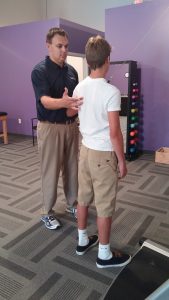
Manual Therapy
Depending on the individual’s evaluation and symptoms, physical therapists may use manual therapy techniques to improve mobility and reduce discomfort. These techniques can include:
- Joint mobilization
- Soft-tissue techniques
- Rib mobilization
- Muscle release techniques
- Stretching
Manual therapy is often combined with exercise to help patients maintain the improvements achieved during treatment.
Strengthening the Supporting Muscles
Weakness or poor coordination of the muscles supporting the spine and shoulder blades may contribute to excessive stress on the thoracic region.
A customized exercise program may focus on strengthening the:
- Upper and middle back
- Shoulder blade stabilizers
- Core muscles
- Postural muscles
Building strength and endurance can help the body better tolerate work, exercise, and everyday activities.
Improving Breathing Mechanics
Because the thoracic spine and ribs are closely involved with breathing, discomfort in this area can sometimes make deep breathing uncomfortable.
Physical therapists can teach breathing and rib-cage mobility exercises designed to encourage more efficient movement of the chest and thoracic spine while reducing unnecessary muscle tension.
Education and Activity Modification
One of the most important parts of physical therapy is helping patients understand their condition and what they can do outside the clinic.
Your physical therapist may provide recommendations regarding:
- Workstation setup
- Sleeping positions
- Lifting techniques
- Exercise progression
- Stretching and mobility exercises
- Activity modification
- A home exercise program
These strategies can help patients take an active role in their recovery.
What Can You Expect During Physical Therapy?
Treatment will vary depending on the individual’s symptoms and underlying cause. Your first visit will typically include a detailed history and physical examination. Your therapist may evaluate spinal and rib mobility, posture, strength, flexibility, sensation, and movement patterns.
From there, your therapist will develop an individualized treatment plan based on your goals and findings.
The goal isn’t simply to make the pain go away. Physical therapy focuses on addressing contributing factors, restoring function, and giving you the tools to manage your condition and return to the activities you enjoy.
When Should You Seek Medical Attention?
Not every symptom around the chest or abdomen is caused by the spine. New, unexplained, severe, or worsening chest pain—especially when accompanied by shortness of breath, sweating, nausea, dizziness, fainting, or pain spreading into the arm, jaw, or back—requires prompt medical evaluation.
A healthcare professional can help determine whether your symptoms are musculoskeletal or require further medical testing.
Don’t Let Mid-Back Pain Limit You
T6 Syndrome and other thoracic spine conditions can interfere with work, exercise, sleep, and everyday activities. Physical therapy can be an important part of a comprehensive treatment plan by addressing mobility, strength, posture, movement patterns, and education.
If you’re experiencing persistent mid-back or wrapping rib pain, talk with your healthcare provider or physical therapist to determine whether physical therapy may be appropriate for you.