
How Physical Therapy Can Help Treat Radiculopathy
February 10, 2026
Radiculopathy is a condition that occurs when a nerve root in the spine becomes irritated or compressed. This can happen in the neck (cervical spine) or lower back (lumbar spine) and often leads to pain, numbness, tingling, or weakness that travels into the arm or leg. Many people describe it as a “pinched nerve,” but the reality is often more complex and very treatable with the right approach.
Physical therapy is one of the most effective, conservative treatments for radiculopathy and is often recommended before medications, injections, or surgery. Here’s how physical therapy can help relieve symptoms, restore function, and prevent recurrence.
Understanding Radiculopathy
Radiculopathy typically results from:
-
Herniated or bulging discs
-
Degenerative changes in the spine (arthritis, bone spurs)
-
Spinal stenosis (narrowing of the spinal canal)
-
Poor posture and repetitive strain over time
When the nerve root is compressed or inflamed, symptoms can travel away from the spine into the extremities. For example:
-
Cervical radiculopathy: pain, tingling, or weakness down the arm or into the hand
-
Lumbar radiculopathy (sciatica): pain, tingling, or weakness down the leg
The key is that the source of the problem is in the spine, even though the symptoms are felt elsewhere.
The Goals of Physical Therapy for Radiculopathy
A physical therapist’s primary goals are to:
-
Reduce nerve irritation
-
Restore normal movement and posture
-
Improve strength and flexibility
-
Educate you on how to prevent future flare-ups
How Physical Therapy Helps
1. Reducing Pressure on the Nerve
Specific movements and positioning techniques can help decrease compression on the irritated nerve. Therapists often use directional movement testing (such as McKenzie-based exercises) to find positions that reduce symptoms traveling into the arm or leg and bring the pain back toward the spine — a positive sign of healing called centralization.
2. Improving Posture and Spinal Mechanics
Poor posture, prolonged sitting, and improper lifting mechanics can contribute to nerve irritation. Physical therapists teach strategies to improve sitting, standing, and movement patterns so the spine is better supported throughout the day.
3. Strengthening Supporting Muscles
Weak core, neck, or hip muscles can place extra stress on the spine. A targeted strengthening program improves stability and reduces strain on the affected area.
4. Increasing Flexibility and Mobility
Tight muscles around the spine and hips can increase compression and restrict movement. Stretching and mobility exercises help relieve this tension and allow the spine to move more freely.
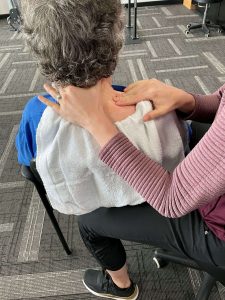
5. Manual Therapy Techniques
Hands-on treatments such as joint mobilization, soft tissue work, and gentle traction can help relieve pressure, reduce muscle guarding, and improve mobility.
6. Nerve Mobility Exercises
Nerve gliding or “flossing” exercises help the irritated nerve move more freely within its pathway, reducing sensitivity and improving symptoms.
7. Education and Activity Modification
A major part of recovery is learning what positions and activities aggravate symptoms and how to modify them. This empowers patients to control their symptoms rather than fear movement.
Why Early Physical Therapy Matters
The earlier radiculopathy is addressed, the better the outcomes tend to be. Early intervention can:
-
Prevent symptoms from becoming chronic
-
Reduce the need for pain medications
-
Decrease the likelihood of injections or surgery
-
Promote faster return to normal activities
What to Expect During Treatment
Each plan of care is individualized, but most patients begin to notice improvement within a few weeks. Therapy sessions typically include a combination of exercise, hands-on treatment, and education. Patients also receive a home program that plays a crucial role in recovery.
Long-Term Prevention
Physical therapy doesn’t just treat the current episode — it equips patients with the tools to prevent recurrence. Improved posture, strength, and movement habits reduce the chance of future nerve irritation.
Radiculopathy can be painful and disruptive, but it is highly treatable. Physical therapy addresses the root cause of the problem rather than just masking symptoms. With the right guidance and a consistent plan, most people can return to their normal activities without invasive procedures.
If you’re experiencing pain, tingling, or weakness traveling into your arm or leg, a physical therapy evaluation can be the first step toward relief and recovery.