
Strength Training for Older Adults: Building Health, Confidence, and Independence
April 14, 2026
As we age, maintaining strength, balance, and mobility becomes increasingly important for preserving independence and quality of life. While many people associate exercise for older adults with gentle walking or stretching, strength training with weights is one of the most effective, and often underutilized ways to support healthy aging.
There’s a common misconception that strength training is only for younger people or athletes. In reality, it’s never too late to start. Research consistently shows that older adults, even those in their 70s, 80s, and beyond can gain strength, improve balance, and enhance overall health through resistance training.
Why Strength Training Matters with Age
Starting as early as our 30s, we naturally begin to lose muscle mass in a process called sarcopenia. Without intervention, this muscle loss accelerates over time, leading to decreased strength, reduced mobility, and a higher risk of falls and injury.
Strength training helps counteract these changes by:
-
Preserving and building muscle mass
-
Improving bone density
-
Enhancing joint stability
-
Supporting everyday functional movements
In short, lifting weights isn’t just about getting stronger—it’s about maintaining the ability to live independently.
Key Benefits of Strength Training for Older Adults
Improved Mobility and Independence
Simple daily tasks like getting out of a chair, climbing stairs, or carrying grocerie require strength. Resistance training makes these activities easier and safer, allowing older adults to remain self-sufficient longer.
Reduced Risk of Falls and Injury
Falls are a leading cause of injury among older adults. Strength training improves muscle strength, balance, and coordination, all of which significantly reduce fall risk.
Stronger Bones and Reduced Osteoporosis Risk
Weight-bearing exercises stimulate bone growth and help maintain bone density, reducing the risk of fractures associated with osteoporosis.
Better Metabolic and Heart Health
Strength training can improve blood sugar control, support healthy cholesterol levels, and contribute to overall cardiovascular health.
Enhanced Mental Health and Confidence
Exercise releases endorphins, which boost mood and reduce symptoms of anxiety and depression. Additionally, gaining strength often leads to increased confidence and a greater sense of capability.
Is Strength Training Safe?
Yes, when done properly, strength training is safe and highly beneficial for older adults. In fact, it’s recommended by major health organizations. The key is to start at an appropriate level and progress gradually.
Important safety tips include:
-
Begin with light weights or resistance bands
-
Focus on proper form over heavy lifting
-
Work with a trained professional if possible
-
Listen to your body and avoid pushing through pain
A well-rounded strength training routine for older adults might include:
-
2–3 sessions per week
-
Exercises targeting major muscle groups (legs, hips, back, abdomen, chest, shoulders, and arms)
-
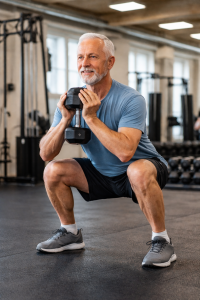
Functional movements like squats, step-ups, and pushing/pulling exercises
Even small amounts of consistent strength training can lead to meaningful improvements over time.
Strength training is one of the most powerful tools older adults have to maintain health, independence, and vitality. It supports not only physical well-being but also confidence and quality of life.
Aging doesn’t have to mean slowing down, it can be a time of building strength, resilience, and continued growth.